
Born in Senegal in 1923, Ousamane Sembene grew up in a blue collar environment, working a variety of manual labor jobs. In 1947 he made his way to France, became involved in the labor union movement, joined the Communist Party, and was introduced to the works of writers like Claude McKay. Inspired by his experiences, Sembène wrote his first novel in 1956. Le Docker Noir (The Black Docker) was the first of nine books written by Sembène, who would go on to be regarded as on the greatest authors from Africa. His books often dealt with issues regarding colonialism, racism and the plight of the working man, but were seldom translated in other languages. Sembène understood that his books would have trouble reaching the immigrant, working class and disenfranchised audience of which he wrote, prompting him to explore film.
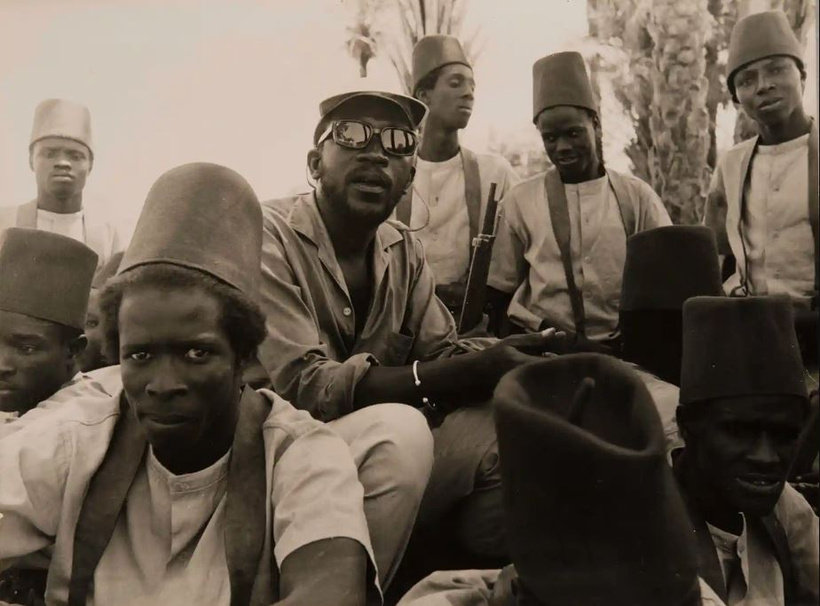
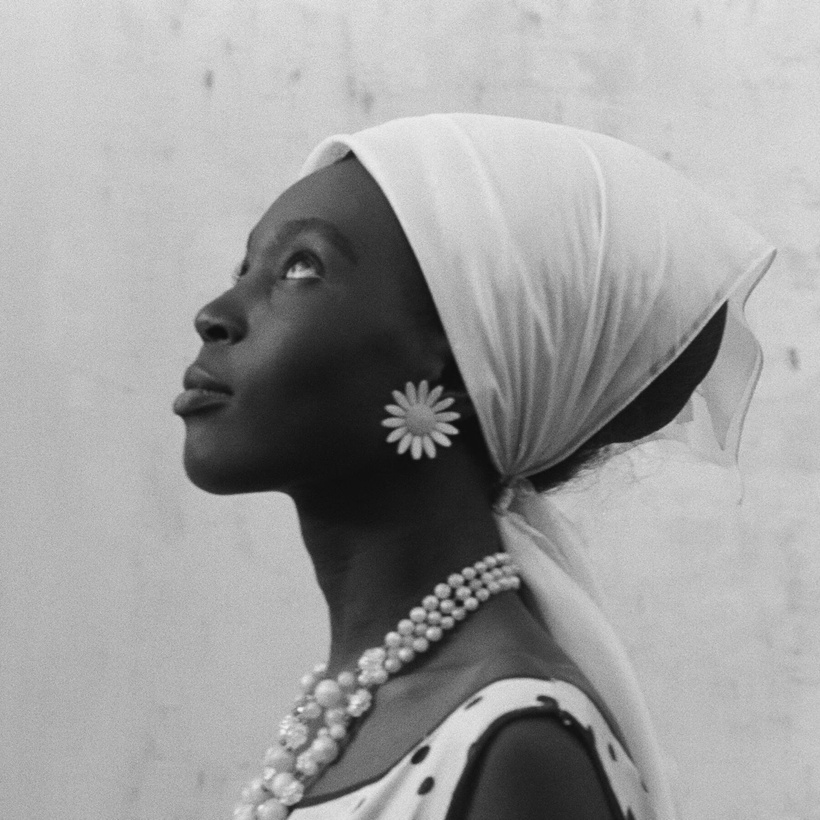
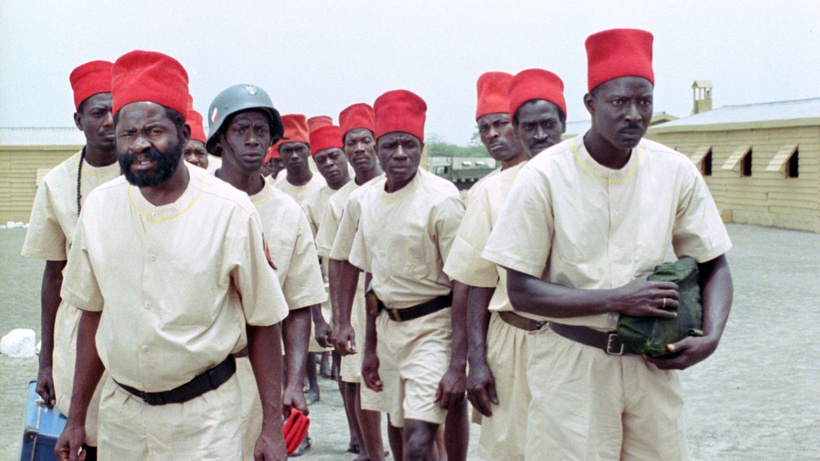
In 1963, at the age of 40, Sembène made his first film, the short Barrom Sarret. He would make twelve more films over the course of the next forty years, with his first feature being the critically acclaimed Black Girl, and over the decades Sembène would go on to become considered the “Father of African Cinema.” His 1987 anti-war film Camp de Thiaroye is also a brilliant look at colonialism, and remains one of the most powerful films of all time. Ousamane Sembène passed away in 2007 at the age of 84, but not before leaving behind a rich legacy of literature and film.