by David F Walker | May 9, 2026 | News & Updates
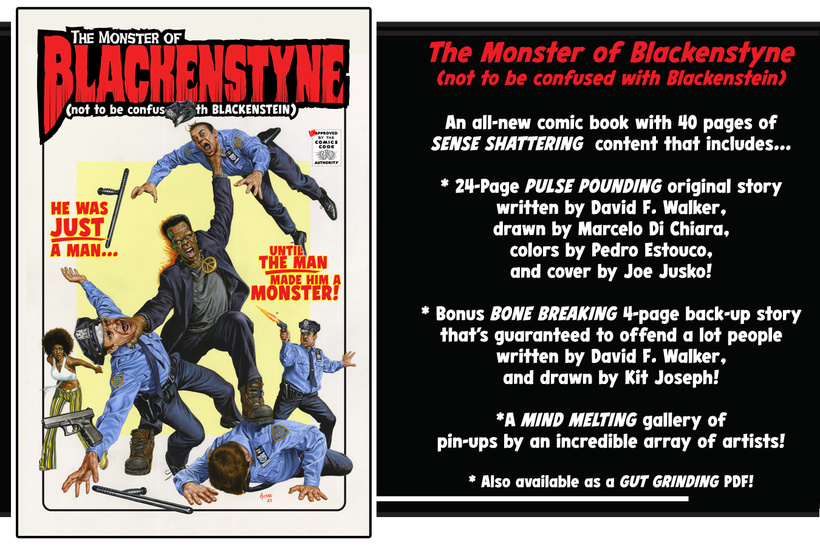
The Kickstarter campaign for The Monster of Blackenstyne (not to be confused with Blackenstein) goes live in less than a week! Written by yours truly, drawn by Marcelo Di Chiara, colored by Pedro Estouco, and featuring a cover by Joe Jusko, this will be something truly special. But wait!!! There’s more!!! There will also be a Black & White & Silent Limited Edition, with a special cover by Alden Kaye and Chris Sotomayor. Head over to Kickstarter now, and sign up to be notified when the campaign goes live. Here’s the link…https://www.kickstarter.com/projects/dfwalker/the-monster-of-blackenstyne
by David F Walker | May 9, 2026 | News & Updates
The Kickstarter campaign for The Monster of Blackenstyne (not to be confused with Blackenstein) goes live next week. Sign up to be notified when the campaign launches. https://www.kickstarter.com/projects/dfwalker/the-monster-of-blackenstyne
by David F Walker | May 9, 2026 | News & Updates
The Kickstarter campaign for The Monster of Blackenstyne (not to be confused with Blackenstein) goes live next week. You can sign up to be notified by following this link right here…https://www.kickstarter.com/projects/dfwalker/the-monster-of-blackenstyne
by David F Walker | May 9, 2026 | News & Updates
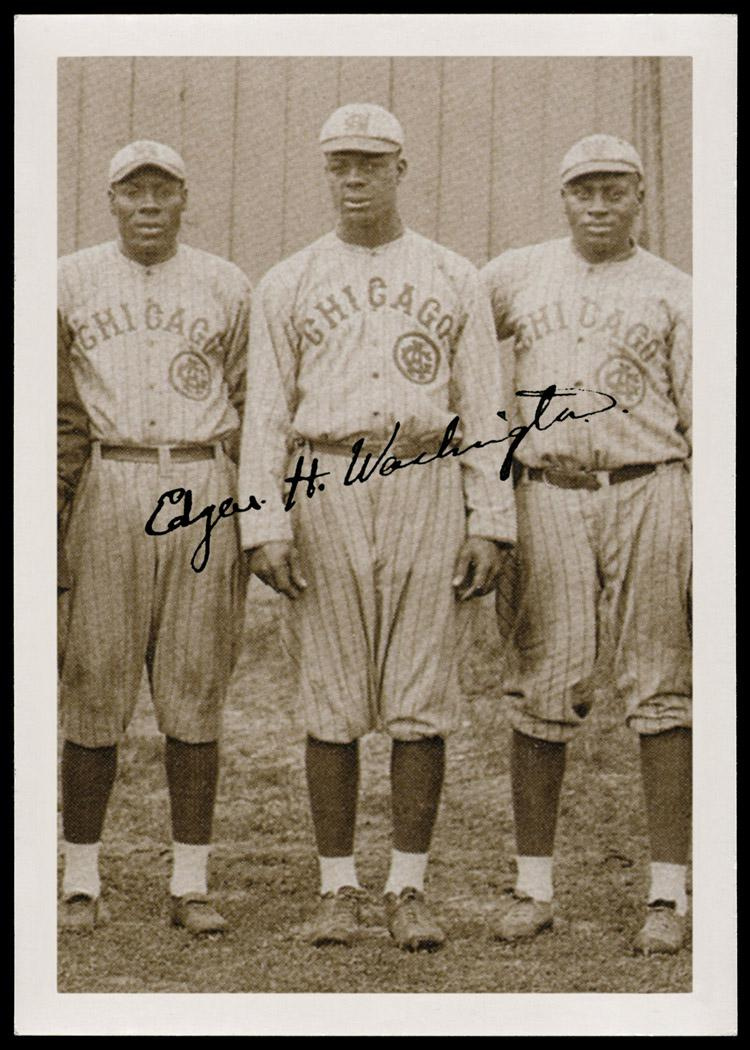
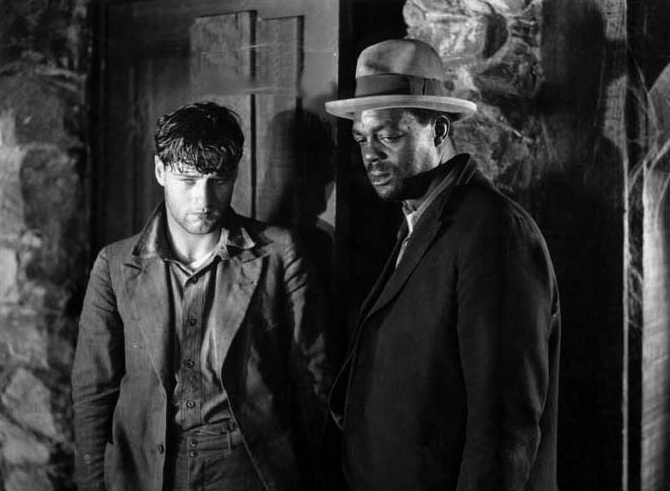
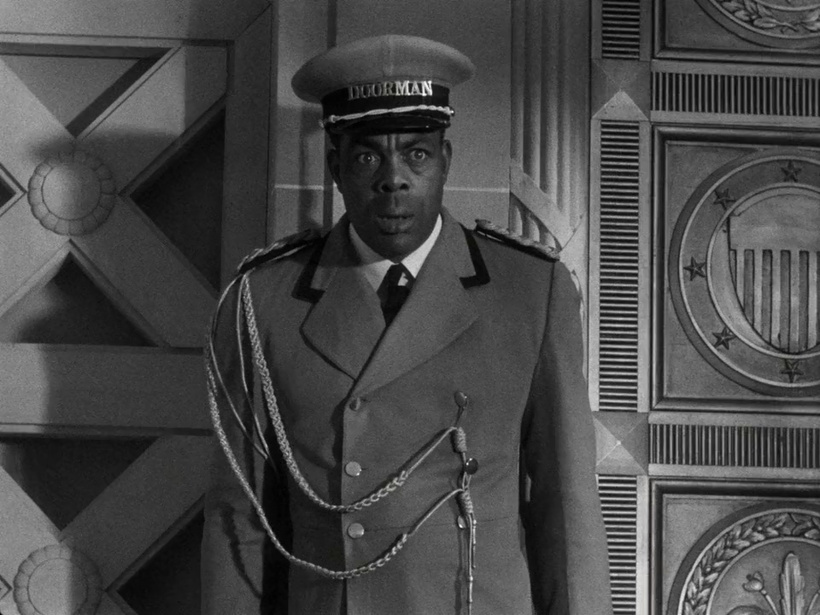
Born February 26, 1898, Edgar Hughes Washington played baseball in the Negro Leagues for both the Chicago American Giants and the Kansas City Monarchs. He left baseball for the movies, where he worked under the name Blue Washington in a career that spanned nearly five decades and included close to 90 roles. A lot of these were bit parts as various servants, slaves, and jungle savages in everything from King Kong to Gone with the Wind to Tarzan’s Revenge, but Washington also had significant roles in movies like 1920’s silent film Haunted Spooks starring Harold Lloyd, and 1935’s The Whole Town’s Talking, directed by John Ford and starring Edgar G. Robinson. One of his most notable roles was as a supporting character in the 1932 western Haunted Gold, appearing opposite John Wayne.
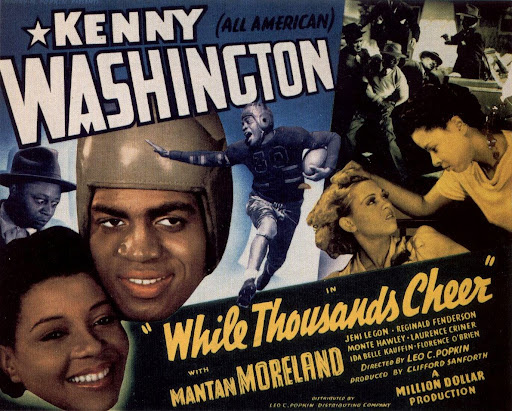
Blue Washington’s son, Kenny Washington, was the first African American player to sign a contract with the NFL and would star in the 1940 film While Thousands Cheer.
Blue Washington was also a family friend of legendary athlete and actor Woody Strode. In his autobiography, Strode described Washington by saying, “Blue was making seventy-five dollars a day when guys were making ten, fifteen dollars a week. He’d get four or five days in, have $300 in his pocket and nobody would see him again until the money was gone. The Washington family was constantly looking for Blue because some director was holding up a production until he could be found.”
by David F Walker | May 9, 2026 | News & Updates
Newspaper editor, teacher, writer, activist, and filmmaker, Maria P. Hill is the first African American women to produce and direct a feature film, 1923’s silent movie Flames of Wrath (the first African American women to direct a film is Tessie Souders, who directed 1922’s A Women’s Error). Flames of Wrath would be the only film made by Williams, who was best known for her work as a writer, journalist, and editor, most notably for the newspaper The Woman’s Voice, which she began publishing in 1896. Williams was murdered in 1932, and the case was never solved.