Happy Book Birthday – a mini documentary
Here’s a little video I just made. The extended director’s cut will be coming soon.

Here’s a little video I just made. The extended director’s cut will be coming soon.
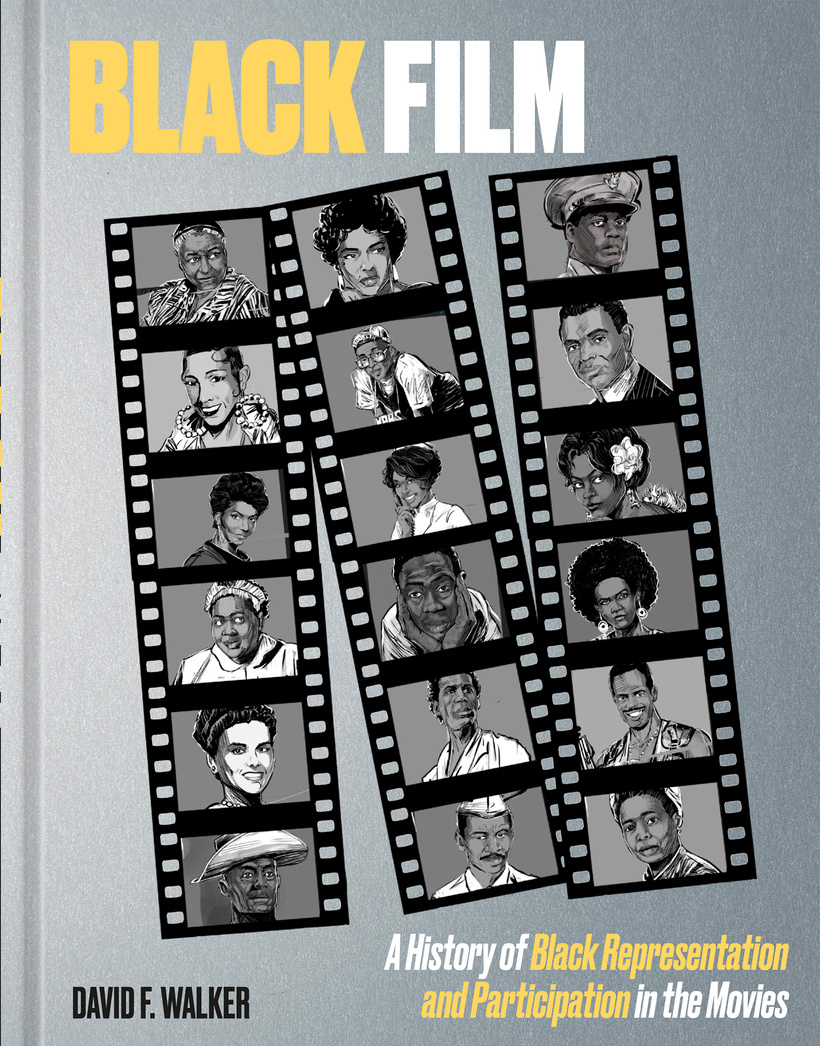
Today is the day…Black Film: A History of Black Film and Representation in the Movies is now available wherever books are sold.
My new books, Black Film: A History of Black Representation and Participation in the Movies arrives in stores this week. This book has been many years in the making. It is available wherever books are sold, or you can order it HERE. https://www.penguinrandomhouse.com/books/673613/black-film-by-david-f-walker/
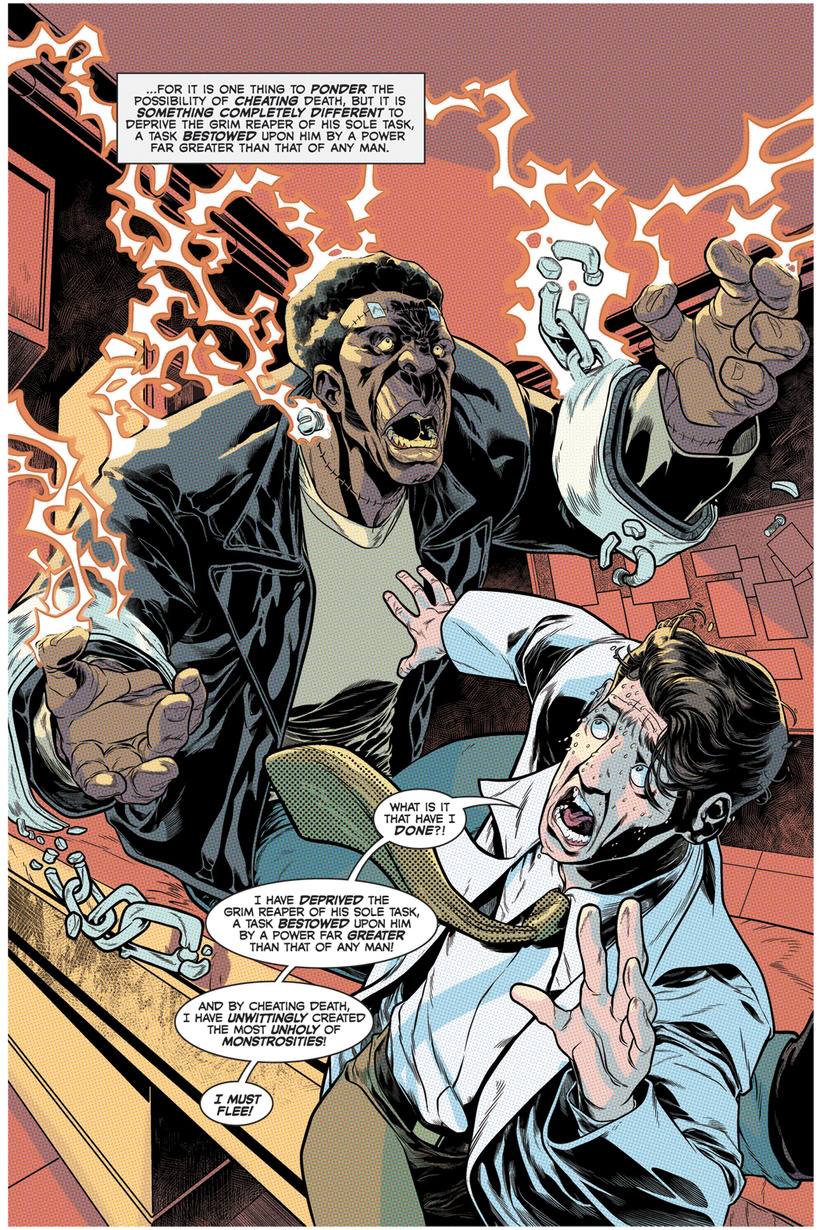
…but there are only 23 days left to back the Kickstarter campaign! We’ve already hit our initial goal, and now we’re working towards stretch goals, so we can still use your support. In addition the 24-page main story featuring art by Marcelo Di Chiara and Pedro Estouco…
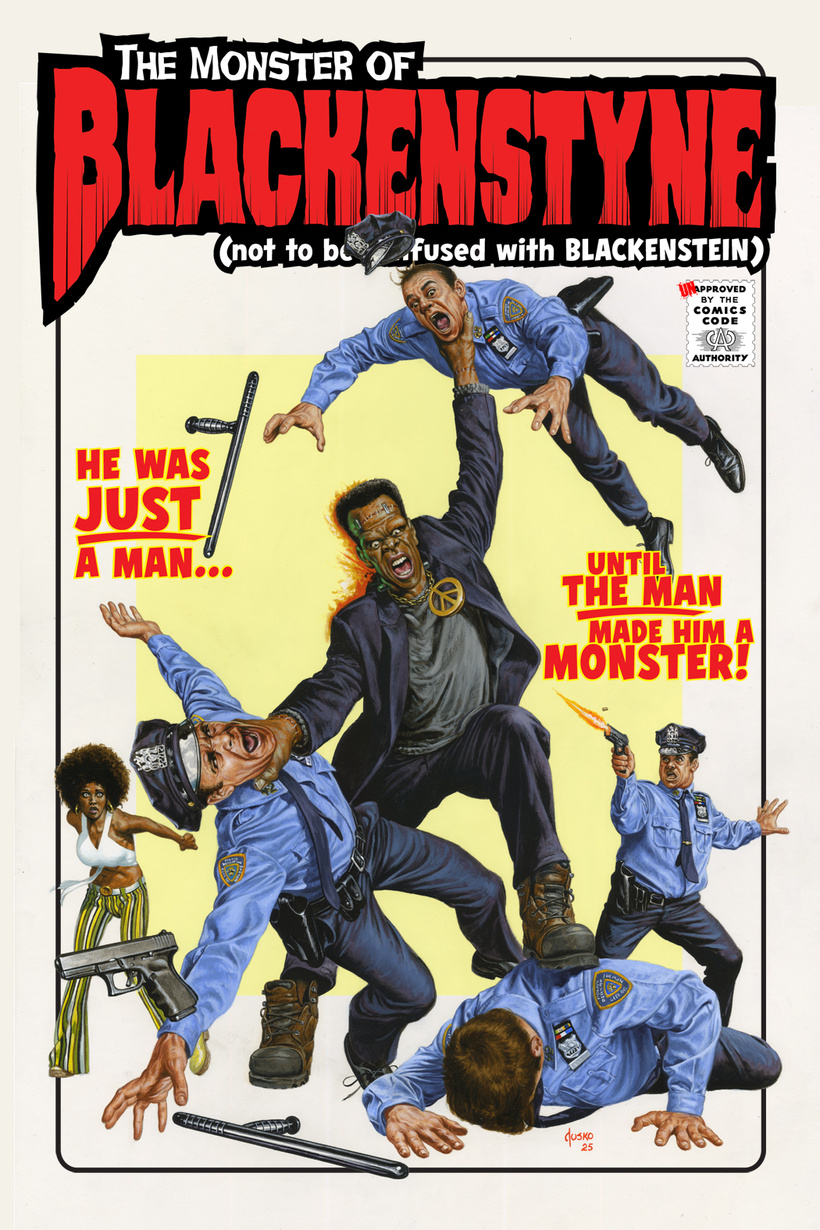
…and a mind-melting cover by Joe Jusko…
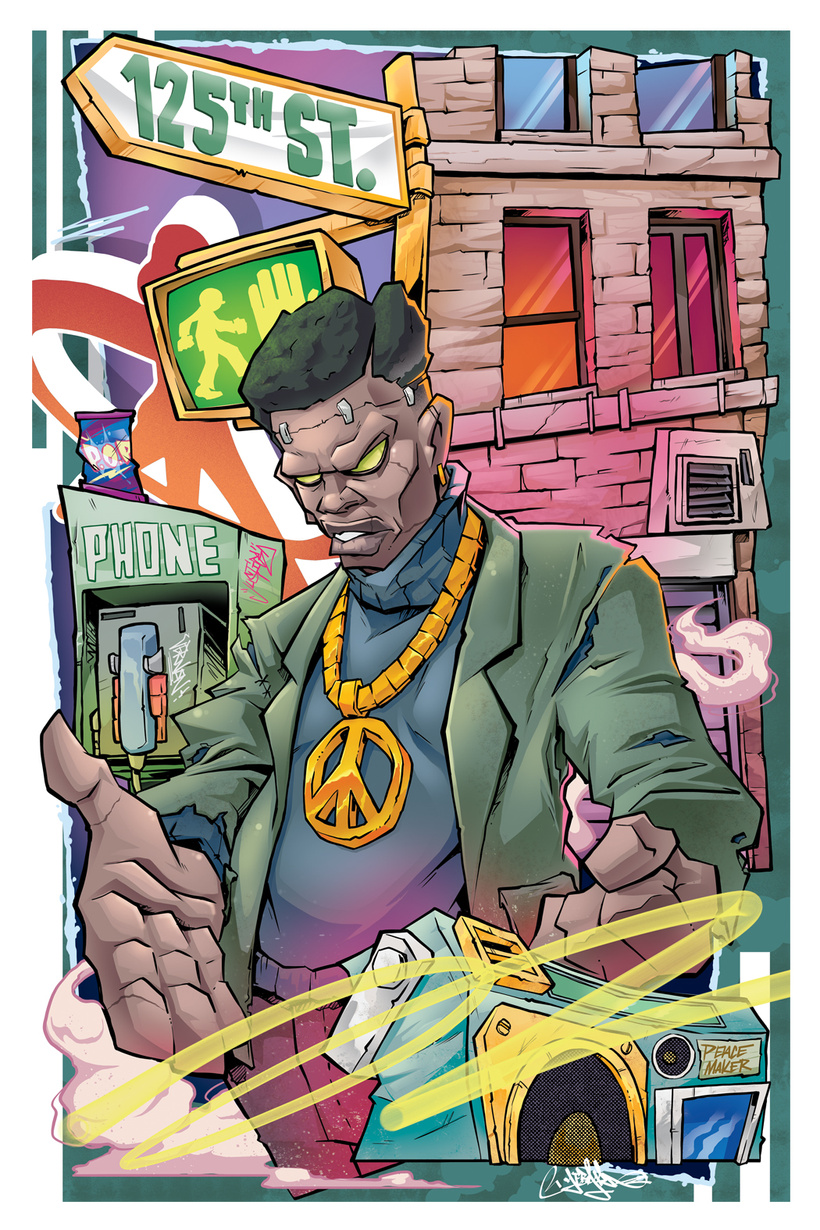
…as well as a pin-up gallery like this one…
…and there are also vintage advertisements for Jaguar Jackson’s B.A.M.F. Combat Academy!
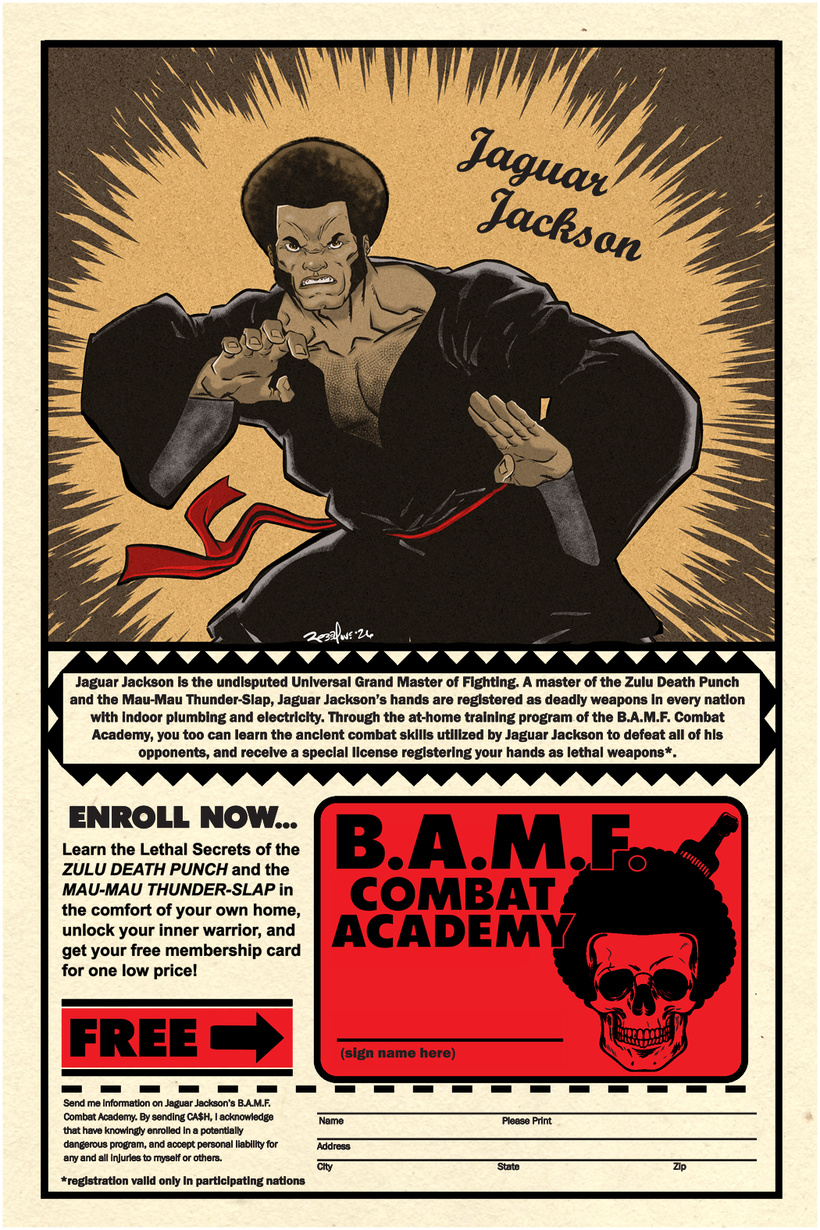
Please take a moment to check out the Kickstarter campaign by clicking HERE, and please share the page with family and friends. https://www.kickstarter.com/projects/dfwalker/the-monster-of-blackenstyne
Okay, some of you are wondering, “What’s a PIY Fun Pack, and is it really free?!”
Well, a PIY Fun Pack, or a Print-It-Yourself Fun Pack is a collection of digital files that you can download and print yourself. There is a PIY Fun Pack for The Monster of Blackenstyne (not to be confused with Blackenstein) that is FREE to all backers of the current Kickstarter campaign. Each PIY Fun Pack comes with the following…TWO Stickers, TWO Mini-prints, and a bonus CIY (Color-It Yourself) Print.
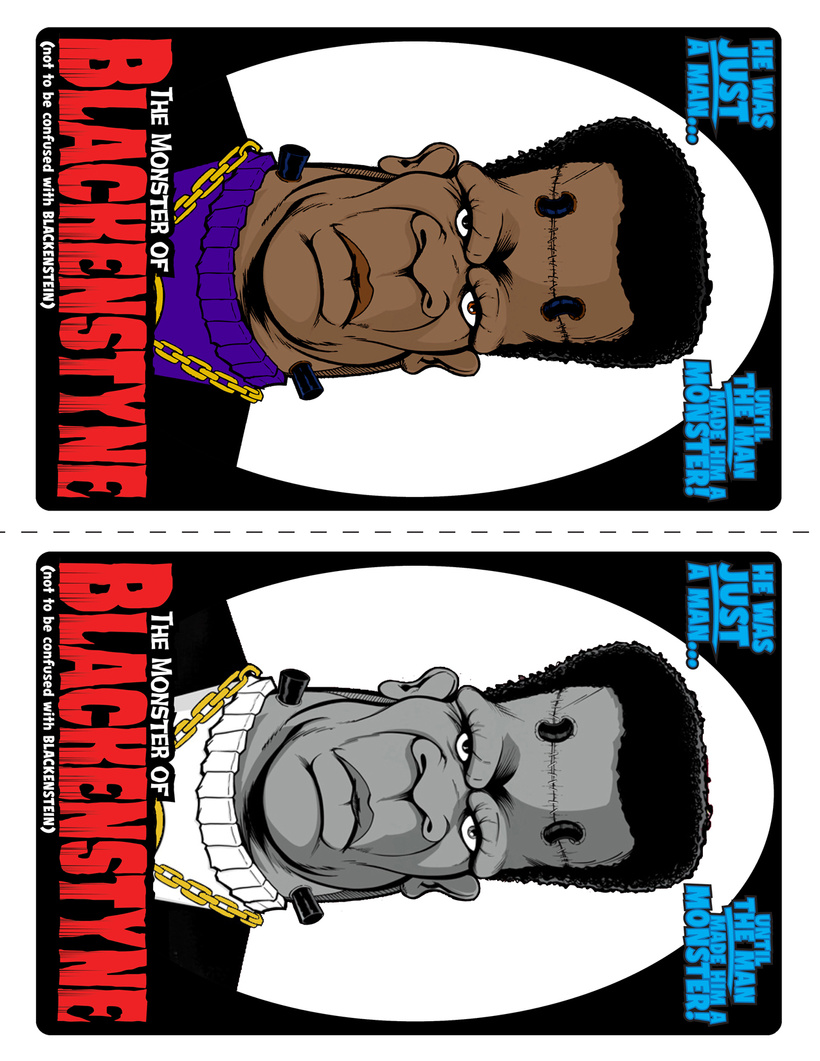 PIY Fun Pack mini prints — print ’em and frame ’em.
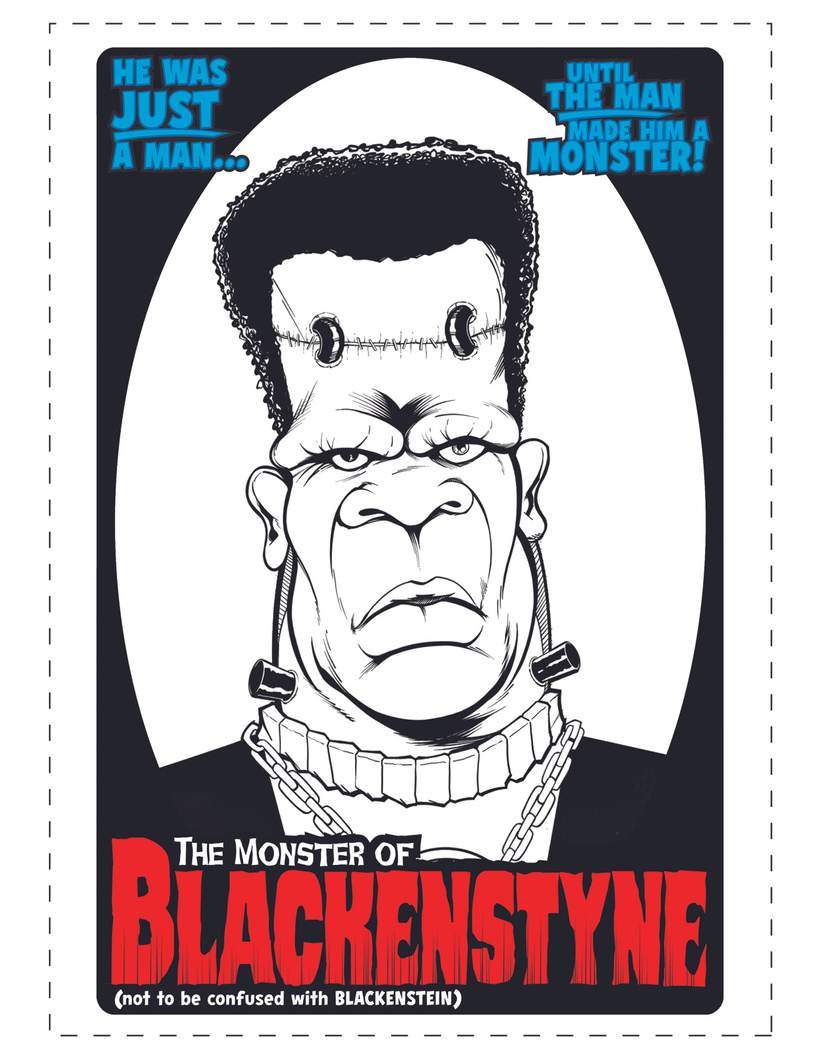 CIY (Color-It-Yourself) Print – color is, frame it, give it to your grandparents or someone else you love!
As part of every reward tier, backers of the campaign will receive the digital files that they can print themselves. BUT WAIT! THERE’S MORE! You can share the files with your friends and family members. Or you can print out your own stickers and give them away to people you want to impress. You can makes copies of the CIY print, and give it to all the kids you know so they can color it, because…well…it isn’t just Wu-Tang that’s for the children, The Monster of Blackenstyne (not to be confused with Blackenstein) is also for the children! Click HERE to go to the Kickstarter page, back The Monster of Blackenstyne (not to be confused with Blackenstein) and get your free PIY Fun Pack. https://www.kickstarter.com/projects/dfwalker/the-monster-of-blackenstyne