by David F Walker | May 9, 2026 | News & Updates
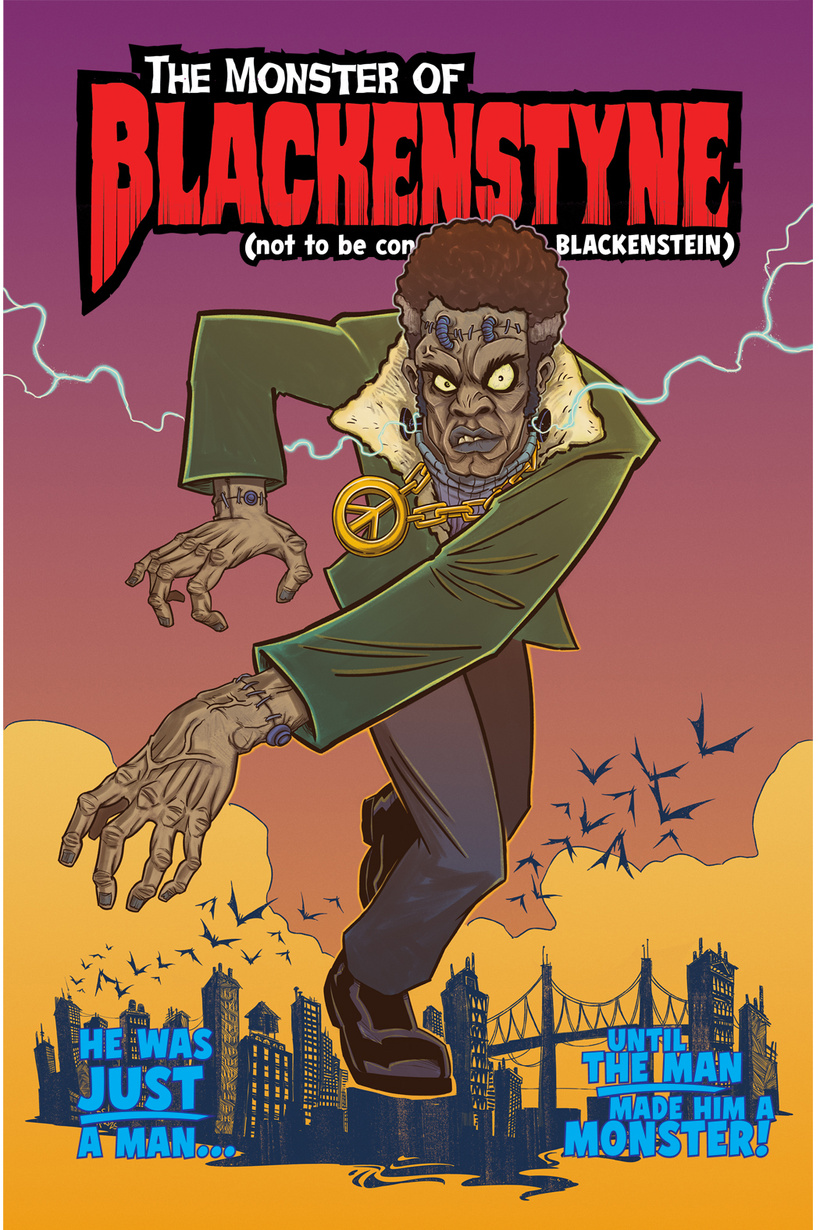
We’re one day away from debuting the cover of the one-shot comic book The The Monster of Blackenstyne (not to be confused with Blackenstein), but for now, I want to share a few other special images. In addition to the 24-page story, the comic book will feature a bonus gallery of pin-ups by an incredible line-up of artists.
BUT WAIT!!! THERE’S MORE!!! I’m going to be hosting an art contest to find more pin-ups to include in the comic. And yes, there will also be cash prizes. Look for more about the art contest as well as the crowdfunding campaign for The Monster of Blackenstyne (not to be confused with Blackenstein) in the coming weeks.
by David F Walker | May 9, 2026 | News & Updates
History has not been kind to actor Mantan Moreland, who is mostly remembered for the many roles he played that were steeped in negative tropes and racial stereotypes. But the truth is that Moreland, a former vaudeville performer that broke into the films in the 1930s, was one of the greatest comedic actors of all time. He was also incredibly popular, with both white audiences and Black. With more than 131 roles to his credit, Moreland was arguably one of the biggest Black stars of the 1940s, working as a leading man in race films such as Professor Creeps, Mr. Washington Goes to Town, and Mantan Messes Up. Moreland also regularly appeared in low-budget movies produced by Monogram Pictures. He was paired with white actor Frankie Darro in nine films, where he often received co-star billing (an uncommon status for Black actors in the 1940s). Moreland also appeared in fifteen of Monogram’s Charlie Chan movies, where he co-starred as Chan’s chauffeur, Birmingham Brown. One of his best roles was in the 1941 film King of the Zombies, which also featured Madame Sul-Te-Wan. No other Black actor worked as regularly in both race films and mainstream Hollywood movies as Mantan Moreland. He was a star in both the all-Black race films of the 1940s, as well as a key supporting actor in mainstream (though low-budget) Hollywood movies.
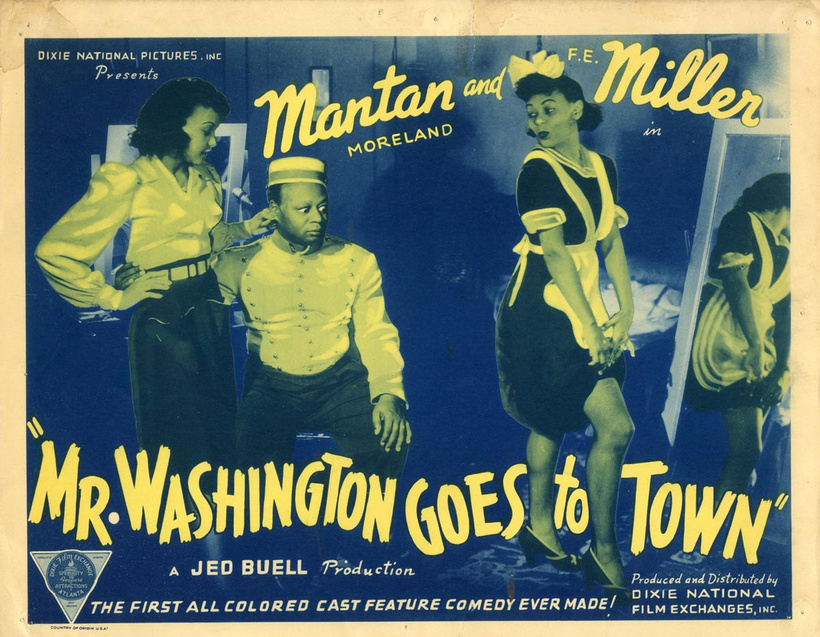
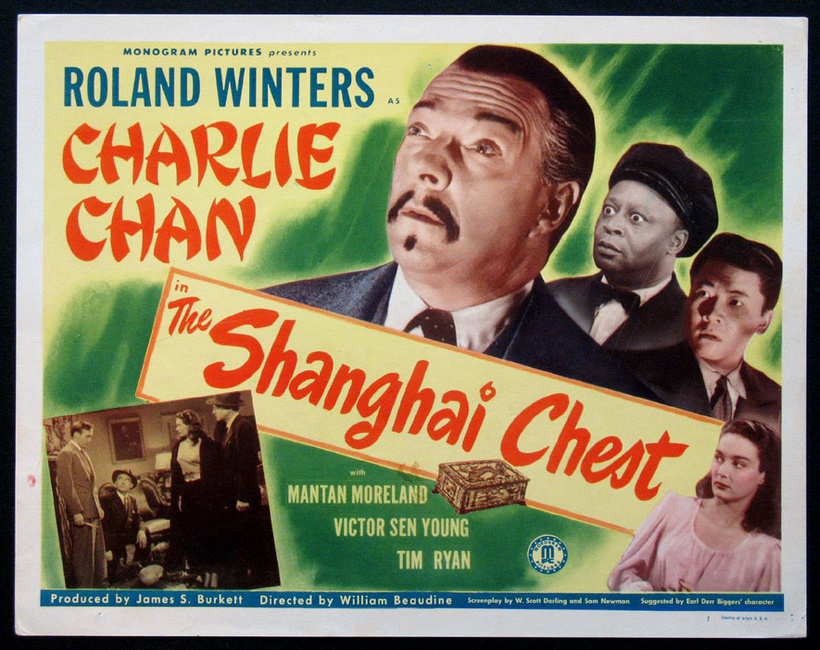
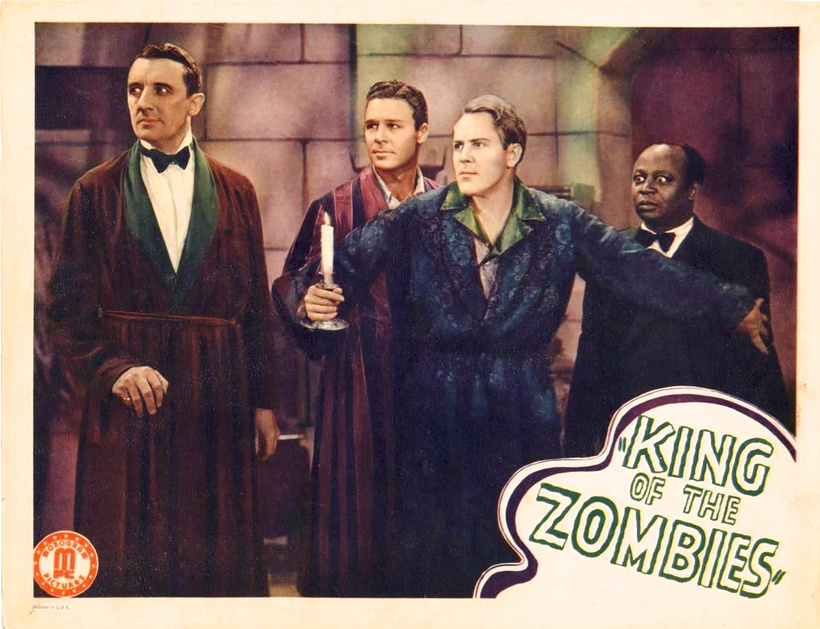
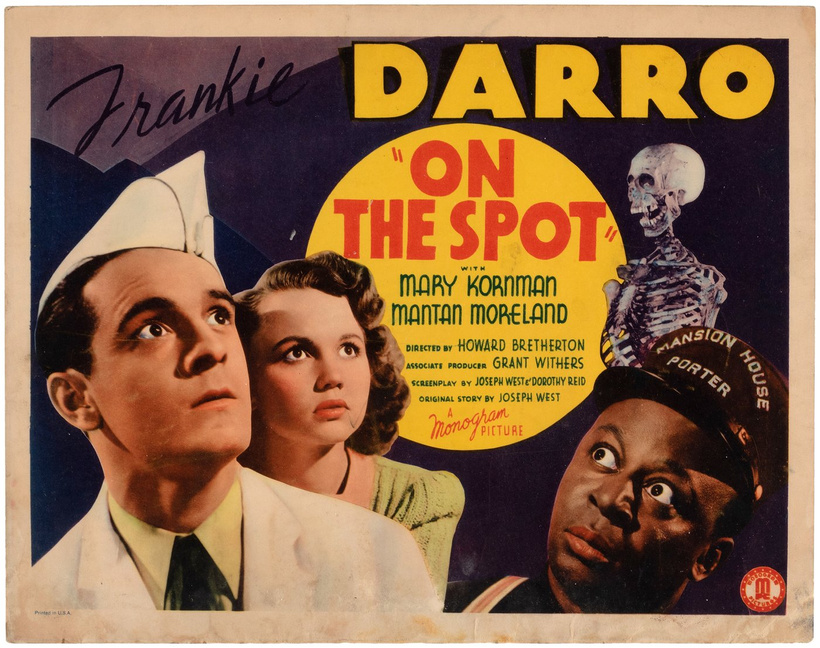
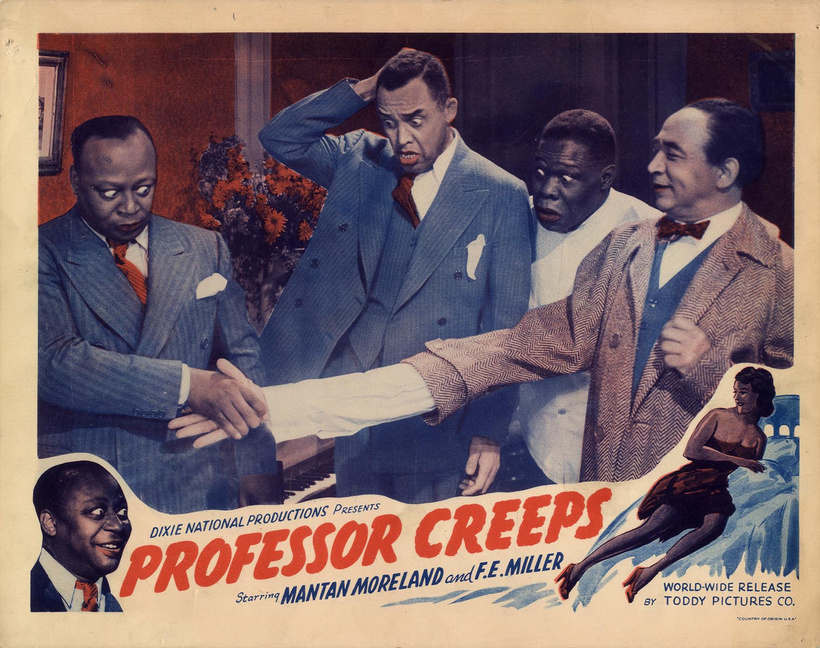
To learn more about actors like Mantan Moreland and companies like Monogram Pictures, check out my new book Black Film: A History of Black Representation and Participation in the Movies will be released by Ten Speed Press on March 24, 2026. You can pre-order the book here.
by David F Walker | May 9, 2026 | News & Updates
I’m excited to announce that the much-talked-about comic The Monster of Blackenstyne (not to be confused with Blackenstein) is done! This is a super special one-shot comic written (and lettered) by yours truly, with incredible art by Marcelo Di Chiara and colors by Pedro Estuco. Here is an unlettered page from the 24-page story…

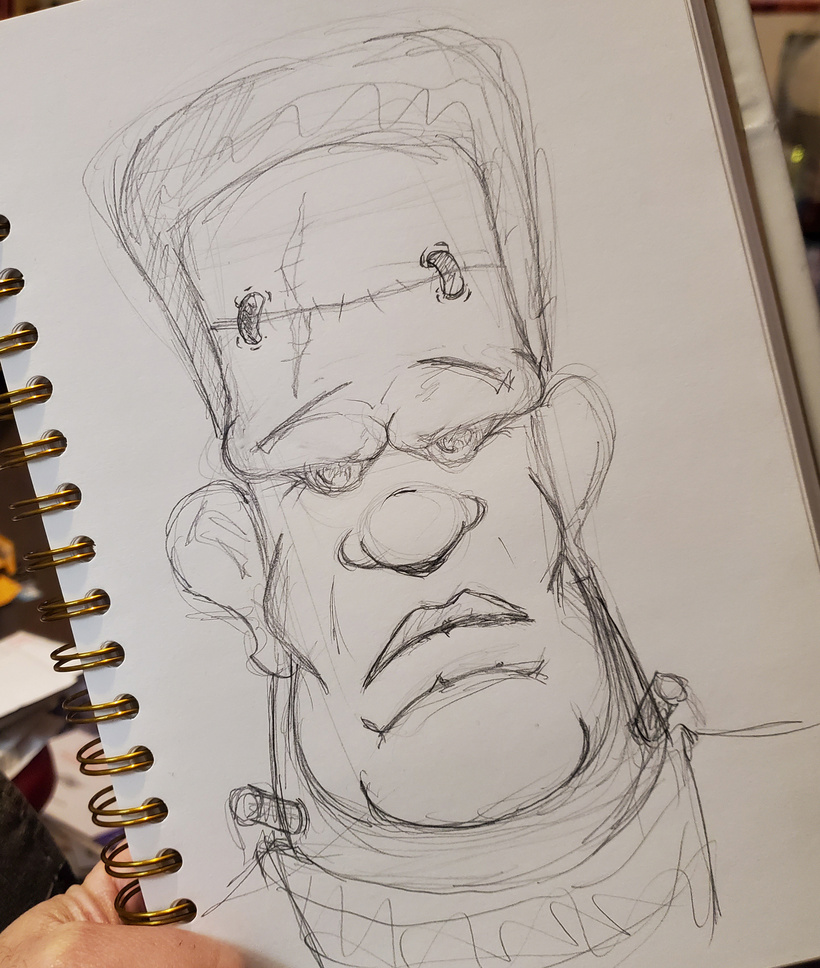
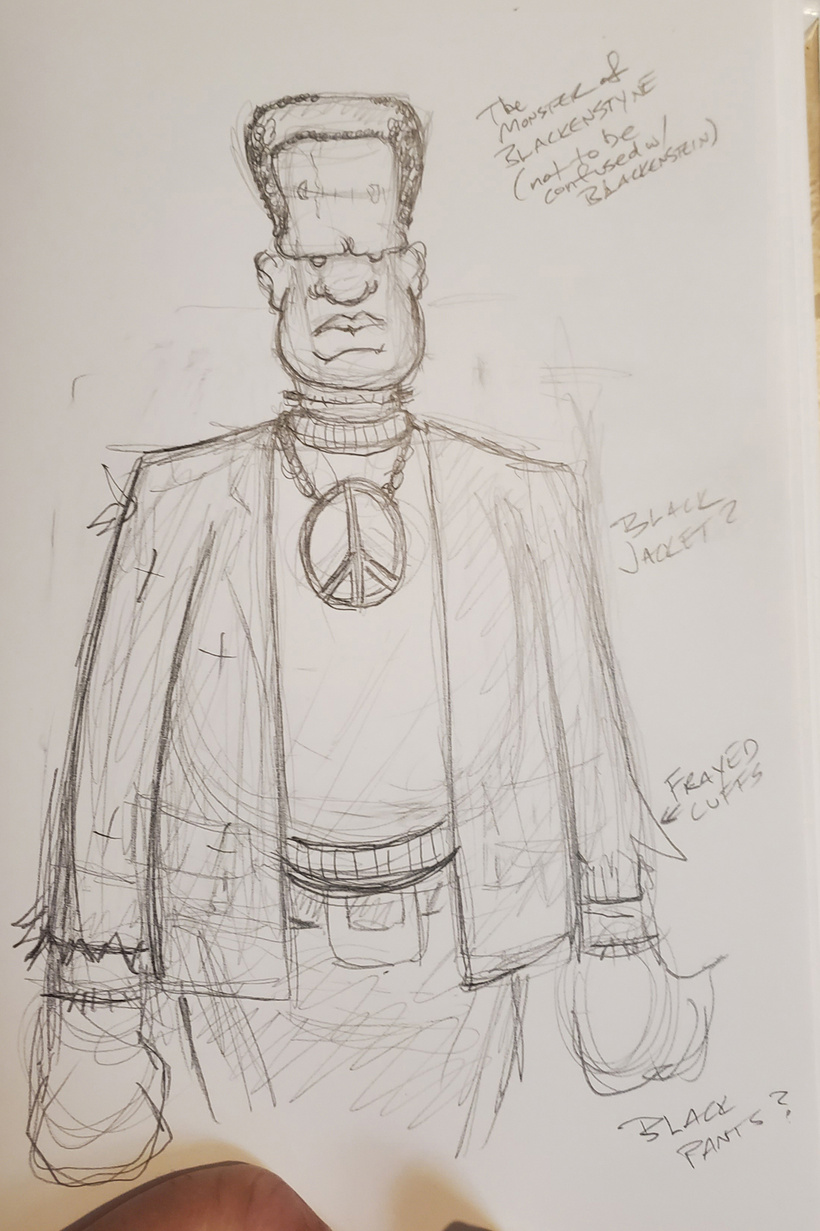
For those of you that know me, The Monster of Blackenstyne (not to be confused with Blackenstein) has been a special project that seems to have been in development for years. I came up with the idea a long time ago, sketched out several rough designs (below), and even penciled a piece that was inked an colored by Aaron Beatty (see the image at the top of this post. I wrote a short story that I used as a proof-of-concept before expanding the story into 24 pages. But there is much more of The Monster of Blackenstyne (not to be confused with Blackenstein) coming in the near future. Later this year, after the one-shot is released, there will be regular short stories on my Pateron.
There will be a crowdfunding campaign for The Monster of Blackenstyne (not to be confused with Blackenstein) one-shot starting next month. And on this coming Friday, February 13, 2026, I’ll be posting the cover of the comic.
by David F Walker | May 9, 2026 | News & Updates
Born in 1866, Mattie Edwards is quite possibly the first Black leading lady in mainstream film. Her career started in vaudeville in the late 1880s, and she began working in film as early as 1913. Edwards was part of a company of Black actors that worked for the Lubin Manufacturing Company, an early production company that made silent short films between 1896 and 1916. Lubin produced notoriously racist films starring white actors in blackface, but between 1913 and 1915 the company produced a series known as “Colored Comedies.” Keep in mind that these shorts were almost as racist as the movies Lubin produced with white actors in blackface. Edwards was Lubin’s leading Black actress, and she starred in at least twenty-four of the company’s shorts. Her co-star was often John “Junk” Edwards, though it is unclear if they were related in some capacity, or just shared the same last name. Mattie Edwards also appeared in movies produced by Essanay Studios (which produced early Charlie Chaplin movies) and the Ebony Film Company, as well as appearing in two Oscar Micheaux productions. Mattie Edwards died in 1944, and has been largely left out of film history.
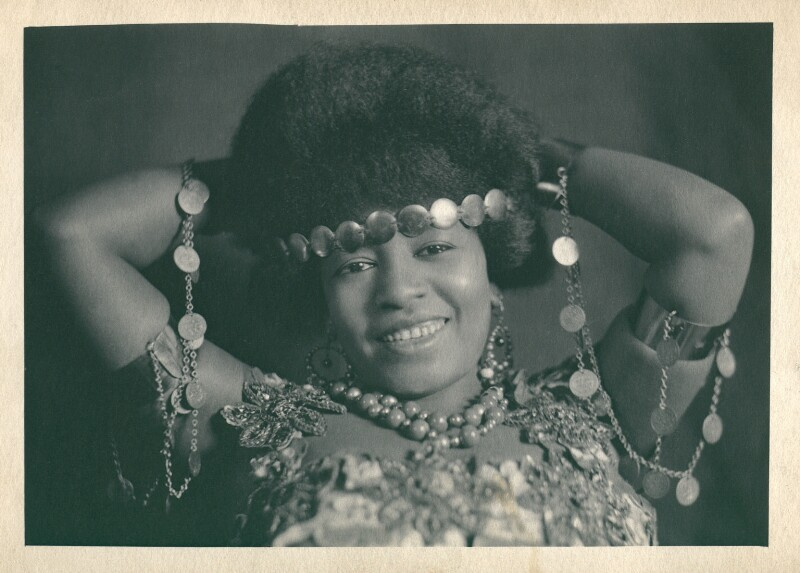
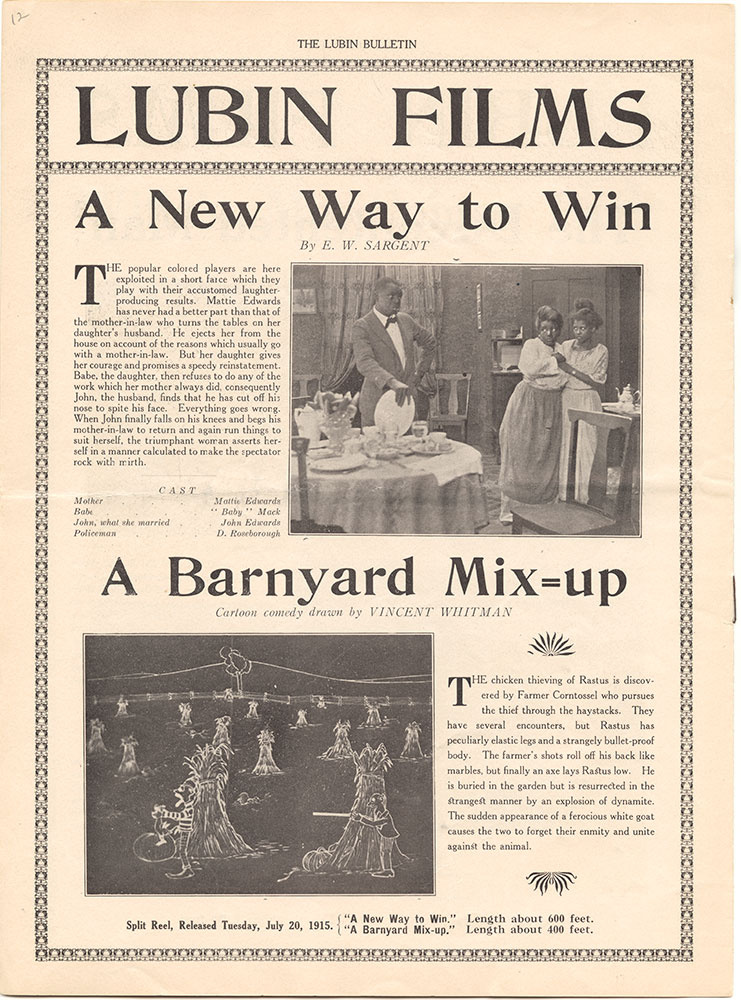
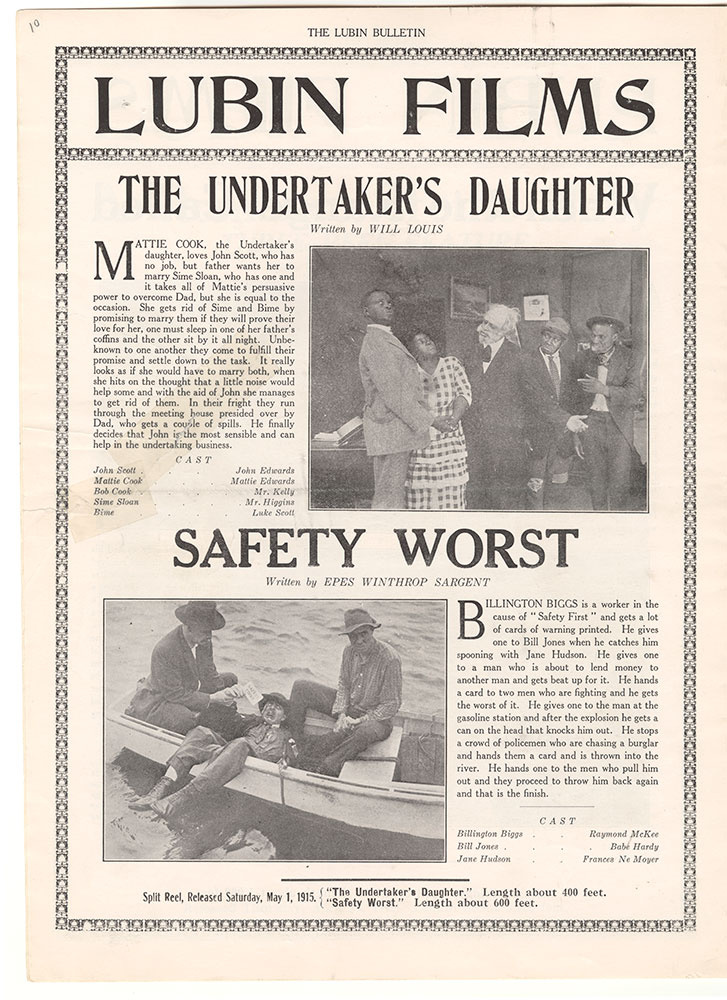
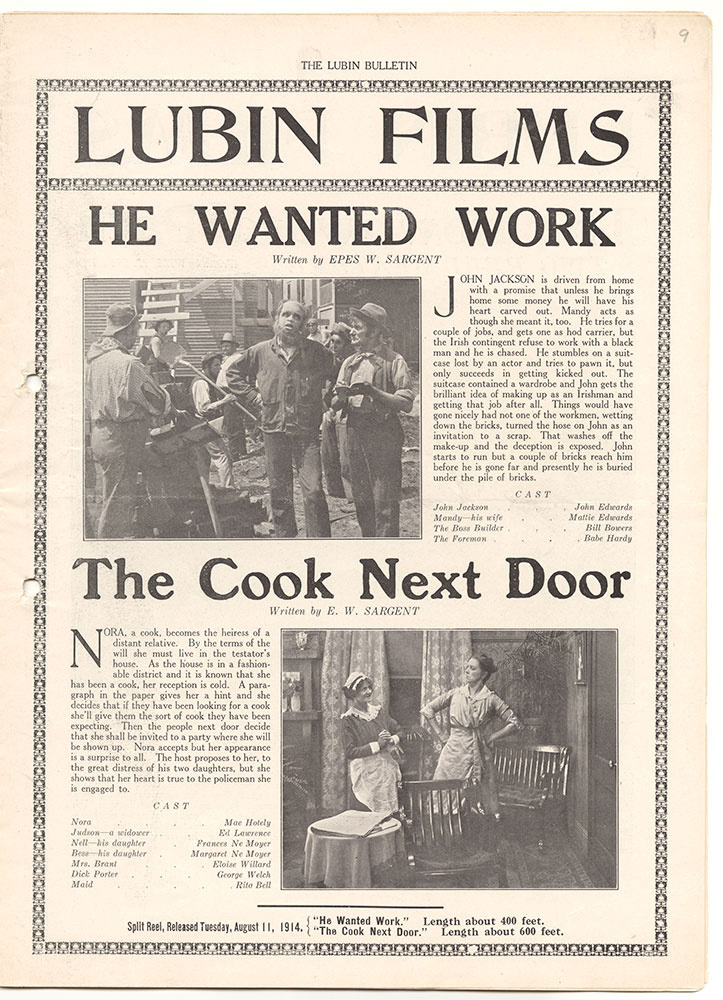
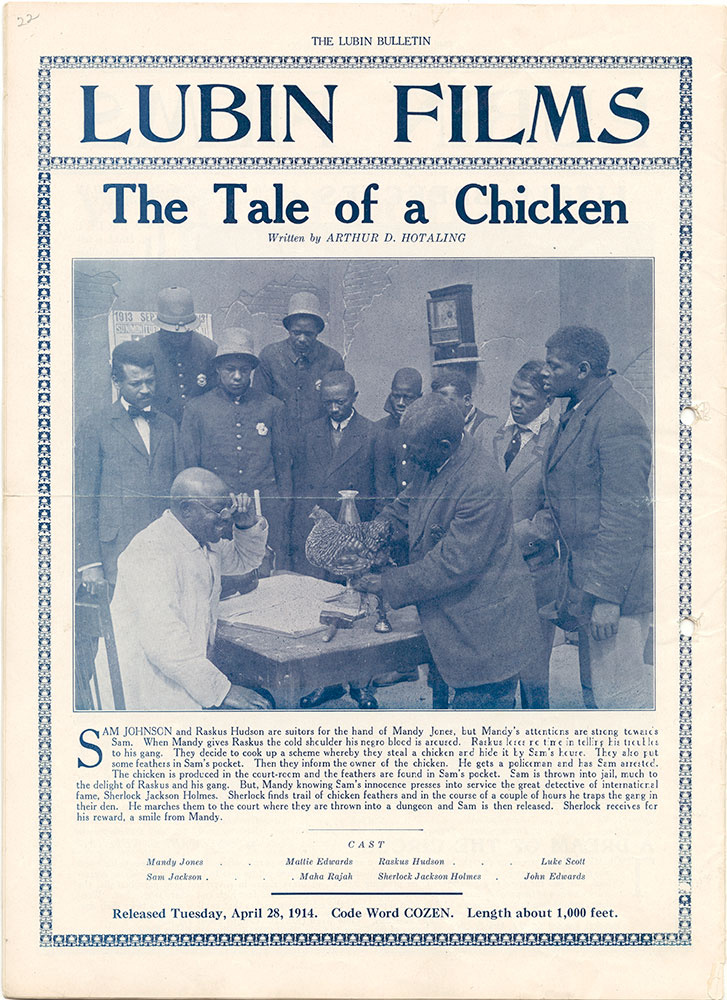
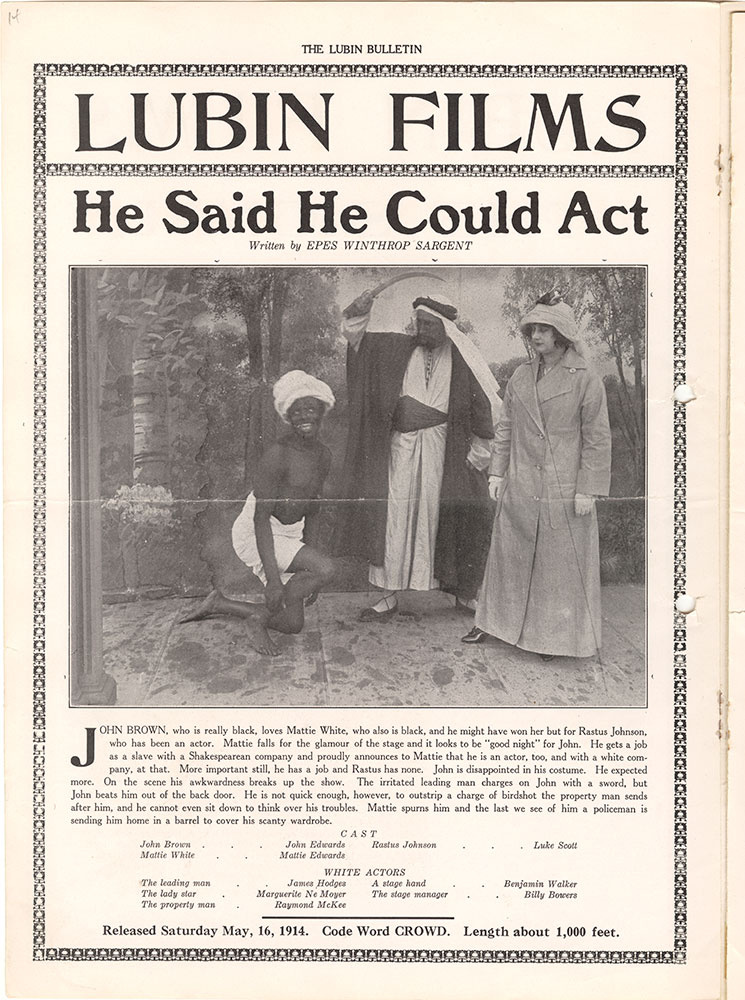
To learn more about actors like Mattie Edwards and companies like the Lubin Manufacturing Company, check out my new book Black Film: A History of Black Representation and Participation in the Movies will be released by Ten Speed Press on March 24, 2026. You can pre-order the book here.
by David F Walker | May 9, 2026 | News & Updates
Best known as the founder and host of “amateur night” at Harlem’s Apollo Theater, Ralph Cooper was a prominent player in the world of race films. Known as “Dark Gable” (after Clark Gable), as well as the “Bronze Bogart” (after Humphrey Bogart), Cooper starred in several films, including BARGAIN WITH BULLETS and GANGSTERS ON THE LOOSE, as well as DARK MANHATTAN and THE DUKE IS TOPS, both of which he also wrote and directed. Cooper was closely associated with the gangster movies he helped produce with brothers Harry and Leo Popkin’s Million Dollar Productions. The Popkins (who were white) and Million Dollar Productions made a series of low budget race movies, all shot in a week or less, including THE DUKE IS TOPS, the first major starring role for Lena Horne.
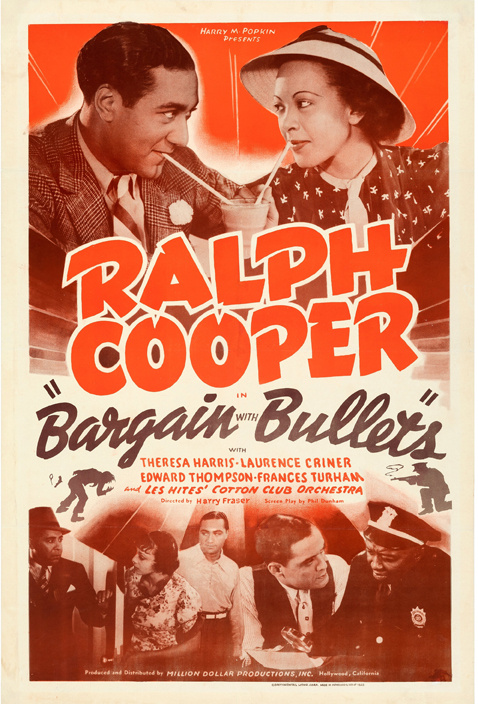
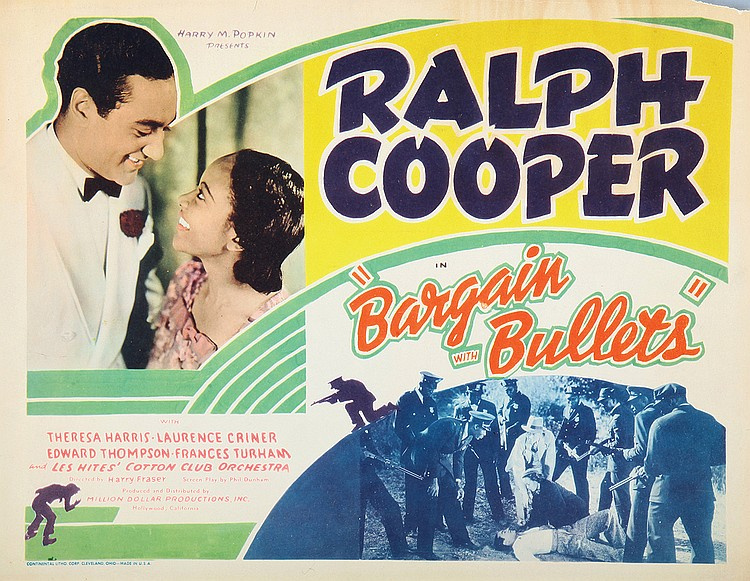
To learn more about filmmakers and actors like Ralph Cooper, check out my new book Black Film: A History of Black Representation and Participation in the Movies will be released by Ten Speed Press on March 24, 2026. You can pre-order the book here.