by David F Walker | May 9, 2026 | News & Updates
Often referred to as “the Black Garbo” or “the Colored Garbo,” Nina Mae McKinney was the first black leading women in mainstream Hollywood, with twenty-six appearances to her credit. Nina (pronounced Nine-ah) was born in South Carolina in 1913, and moved to New York while still in her teens, where she worked as a dancer on Broadway. It was while dancing the chorus line of the popular musical Blackbirds of 1928 that McKinney was “discovered” by legendary director King Vidor, who cast her in Hallelujah, his first talking motion picture, and one of mainstream Hollywood’s earliest race films.
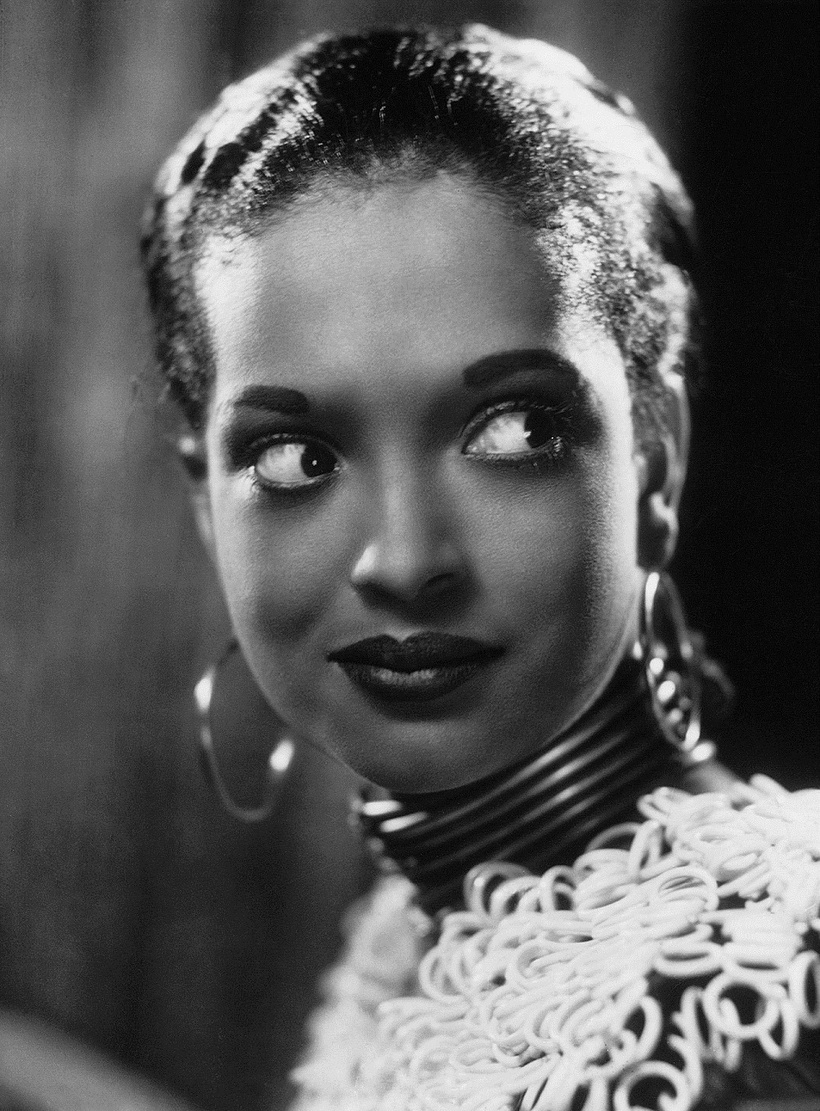
McKinney was one of the first black actresses signed to a studio contract, but MGM never really utilized her. She was considered to glamorous and attractive for the servant roles that would go to actresses like Butterfly McQueen or Hattie McDaniel, and there was no way she would be cast opposite a White actor in any kind of romantic context. As a result her career languished, and McKinney was loaned out to other studios, mostly for B-movies and low budget “black cast” pictures like Gang Smashers and The Devil’s Daughter. She also co-starred opposite Paul Robeson in Sanders of the River, where he played an African tribal chief wearing a leopard-skin loincloth, and she played his imperiled wife. McKinney spent much of her career looking for work in America and Europe, where she mostly performed in live cabarets. Her final film performance was an uncredited role in the 1950 film Copper Canyon. Nina Mae McKinney died of a heart attack in 1967 at the age of 54.
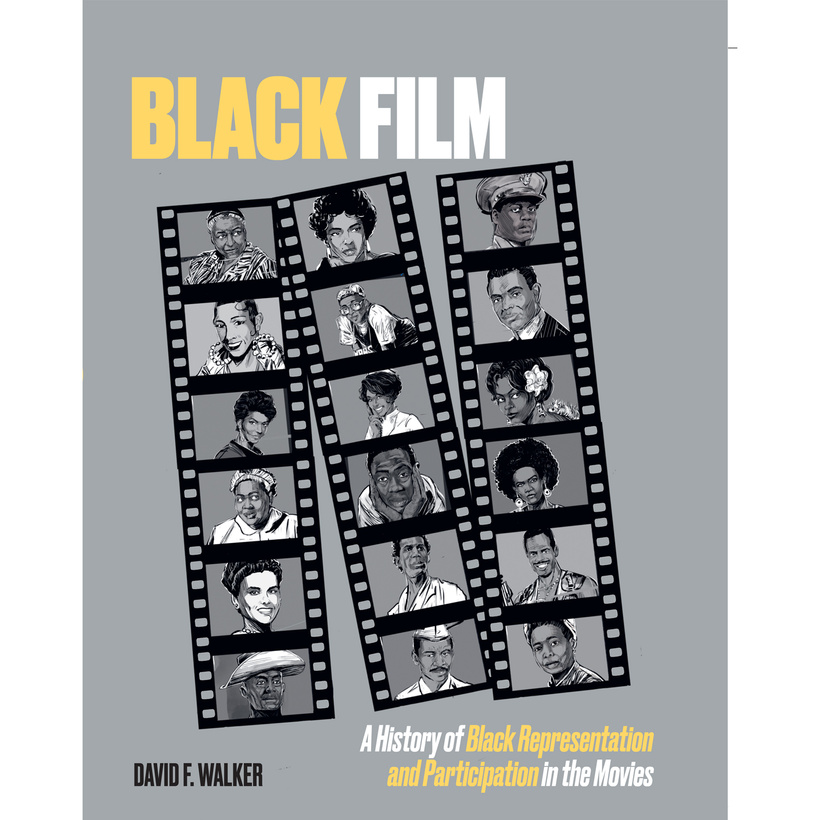
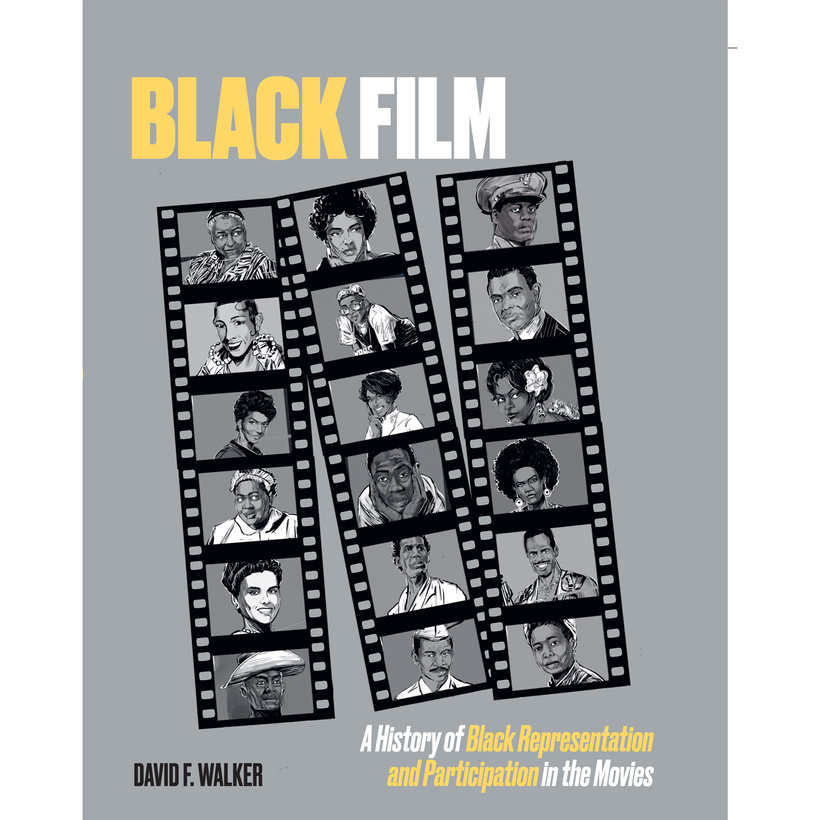
To learn more about performers like Nina Mae McKinney, check out my new book Black Film: A History of Black Representation and Participation in the Movies will be released by Ten Speed Press on March 24, 2026. You can pre-order the book here.
https://www.penguinrandomhouse.com/books/673613/black-film-by-david-f-walker/
by David F Walker | May 9, 2026 | News & Updates
Although he was not the first black filmmaker, Oscar Micheaux was the first black director to produce a feature-length film, and he was certainly the most prolific producer of race films for nearly thirty years. With no film experience at all, Micheaux produced a feature-length version of his self-published novel The Homesteader in 1919. Over the next three decades, Micheaux would make 41 more films, creating his own cottage industry of stars that included Paul Robeson (who made his film debut in Micheaux’s 1925 film Body and Soul), Lorenzo Tucker (often billed as “The Black Valentino”), Alec Lovejoy, Carman Newsome and Laura Bowman. Micheaux traveled cross-country with his films in the trunk of his car, showing the movies anywhere he could screen them.
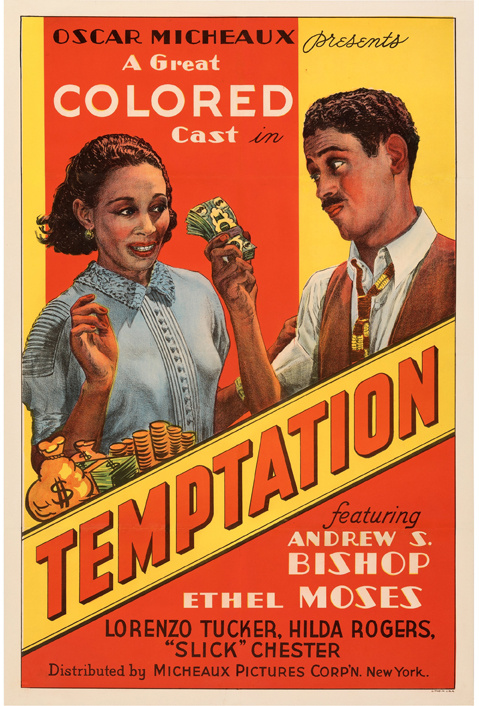
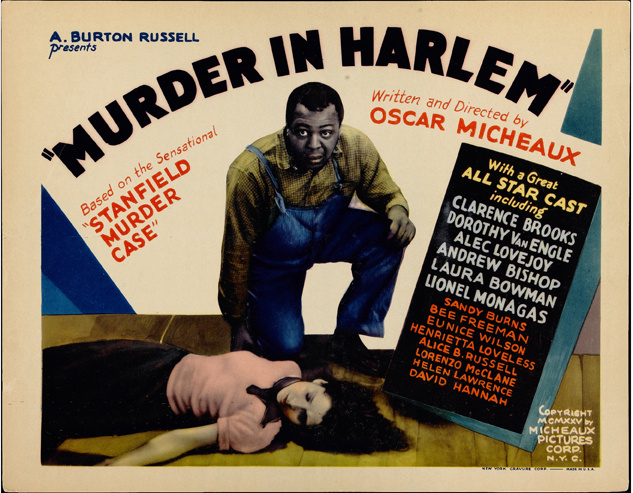
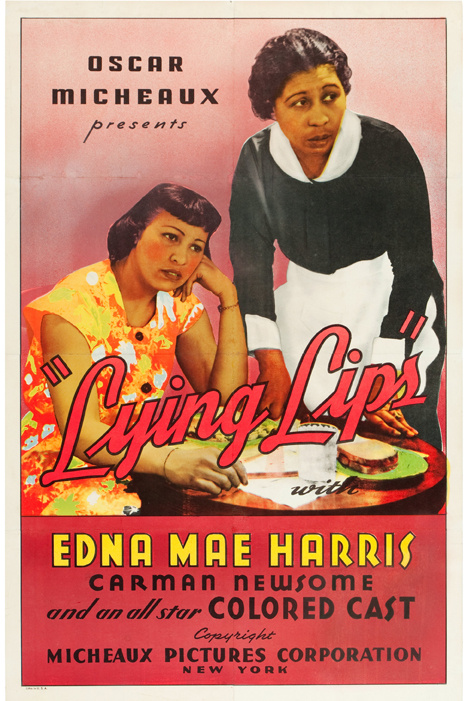
To learn more about filmmakers like Oscar Micheaux, check out my new book Black Film: A History of Black Representation and Participation in the Movies, which will be released by Ten Speed Press on March 24, 2026. You can pre-order the book here.
by David F Walker | May 9, 2026 | News & Updates
A Chocolate Cowboy (originally titled Mine Your Business!) is a silent short film released in 1927. The film starred white actor Fred Parker in blackface as a character named Rastus. There is nothing exceptional–or good for that matter–about A Chocolate Cowboy. The one interesting thing about the film is that the poster used to promote the film does not make it clear that the lead character is a blackface minstrel, which is uncommon for the time. It almost seems like the film’s distributor was intentionally trying to make it look like a race film with an all-Black cast. Blackface was very common during the silent film era, and producers made no attempts to hide the fact that a movie starred white actors in blackface. I’ll post more about blackface in film later.
To find out more about more about blackface in film, check out my new book, Black Film: A History of Black Representation and Participation in the Movies, coming from Ten Spreed Press on March 24, 2026. You can pre-order the book here.
by David F Walker | May 9, 2026 | News & Updates
Fifteen years ago, one of my best friends died. I miss him with all of my heart. Barry was an incredible musician, and I especially loved his song “Simply Said.” On a whim, I called him up one day in the summer of 2009 and said, “Let’s make a music video.” A few hours later we shot this video, and I edited it the next day.
by David F Walker | May 9, 2026 | News & Updates
Nellie Crawford was born March 7, 187, but she was known to the world as Madame Sul-Te-Wan (pronounced Salty One). Sul-Te-Wan began working in films during the silent era, with her first notable role being in D.W. Griffith’s The Birth of a Nation. She was the first Black actress signed to a studio contract, and would go on to appear in more than sixty films, including the first Tarzan movie, 1918’s Tarzan of the Apes, Hallelujah, and Carmen Jones. Most of the time she played servants, slaves, or some kind practitioner of voodoo. She appeared with her sons Onest and Odel Conley in King Kong, where all three played jungle natives in uncredited roles. Her last film appearance was in 1958’s Tarzan and the Trappers. The following year, Sul-Te-Wan died at the age of 85.
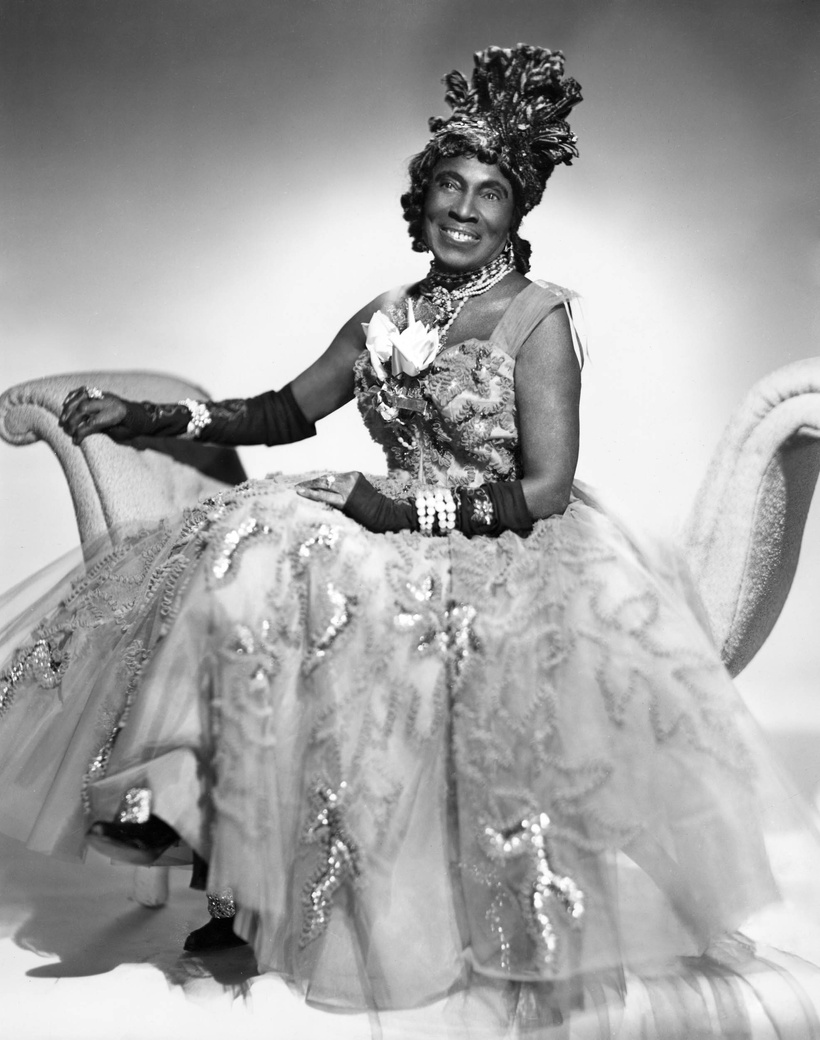
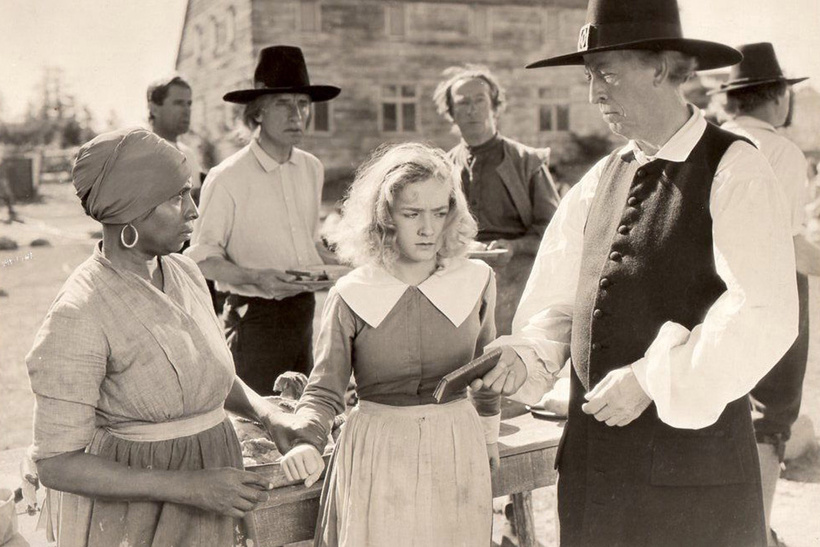
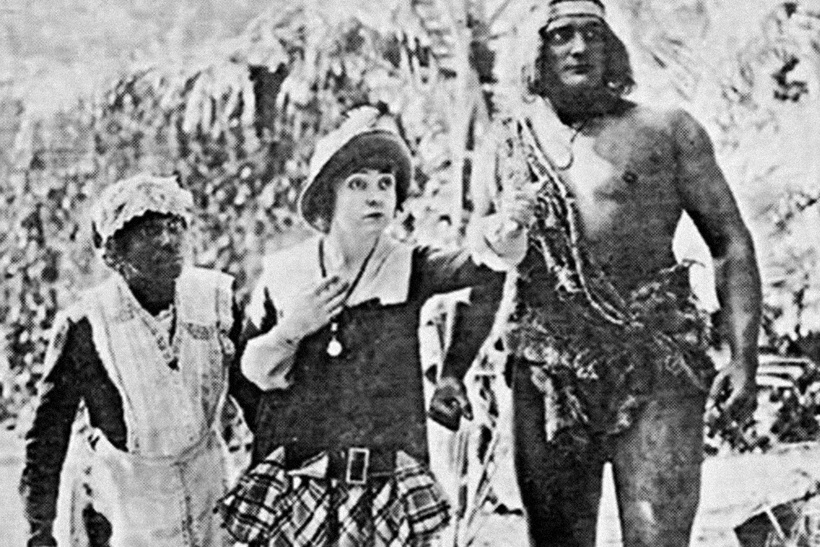
To learn more about actors Madame Sul-Te-Wan, check out my new book Black Film: A History of Black Representation and Participation in the Movies will be released by Ten Speed Press on March 24, 2026. You can pre-order the book here.