by David F Walker | May 9, 2026 | News & Updates
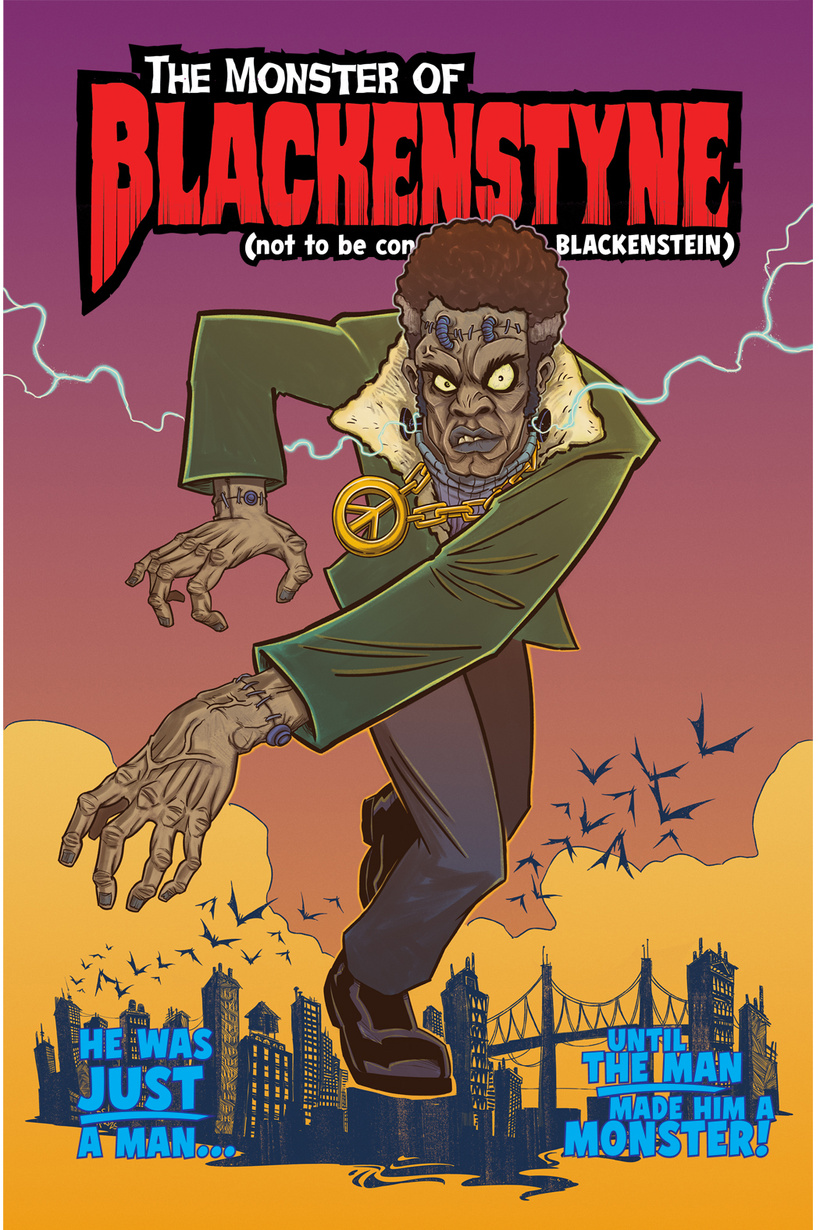
At long last, I am pleased to share the not-quite-final design for the cover of The Monster of Blackenstyne (not to be confused with Blackenstein). This amazing work of art is by the one and only Joe Jusko, and I am honored to have him be a part of this creative journey. I knew that this comic needed an incredibly iconic image for the cover, but I never really thought that it would have something this monumentally badass.
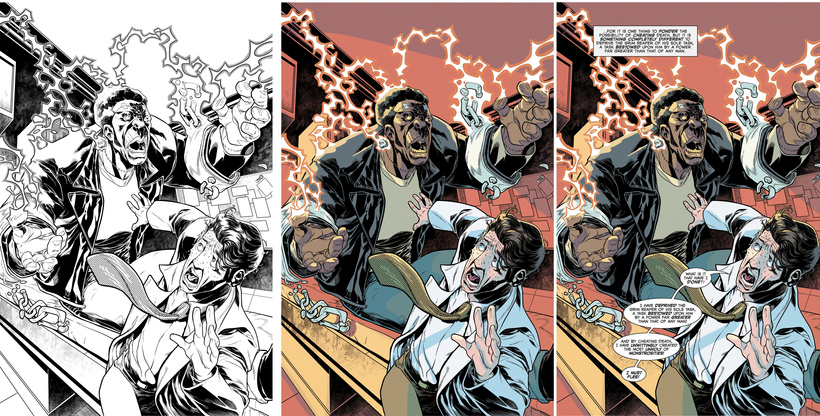
The Monster of Blackenstyne (not to be confused with Blackenstein) is a one-shot comic that will serve as an introduction to your new favorite monster. The comic includes a full-color, 24-page story drawn by Marcelo Di Chiara and colored by Pedro Estouco (see sample page above), as well as a bonus pin-up gallery. There will be a crowdfunding campaign starting next month, as well as an art contest to find artists to include in the pin-up gallery (details on the Kickstarter campaign and the art contest coming soon).
by David F Walker | May 9, 2026 | News & Updates
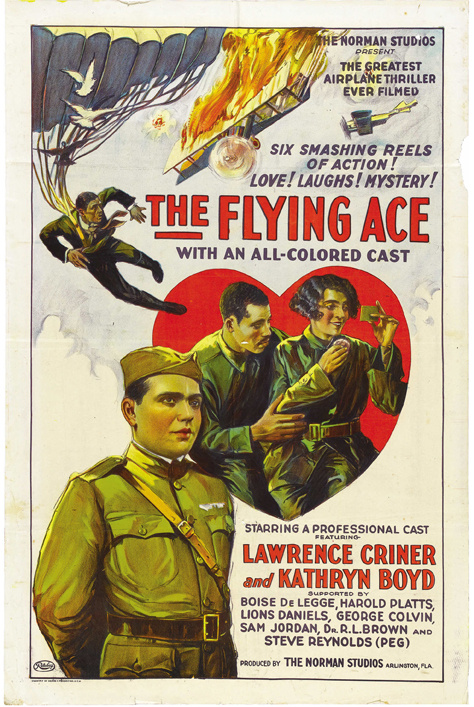
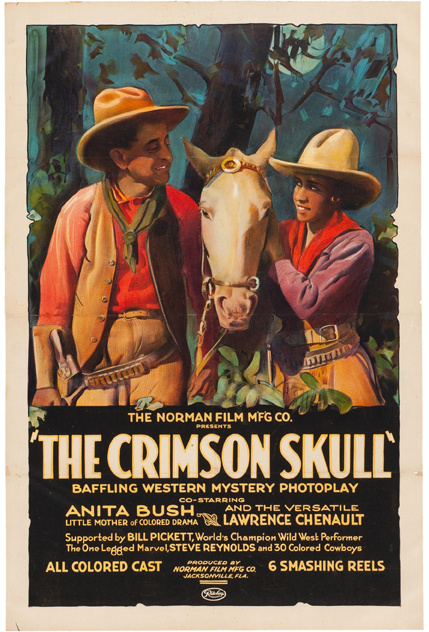
Founded by Richard Norman, and based out of Jacksonville, Florida, the Norman Film Manufactuting Company was one of the first while-owned production companies to start making race films following the release of DW Griffith’s The Birth of a Nation in 1915. Also known as Norman Studios, the production company made several notable race films between 1916 and 1928, including The Crimson Skull and The Flying Ace. Norman is perhaps best remembered for the 1921 film The Bull-Dogger, which featured world famous cowboy and rodeo star Bill Pickett.
by David F Walker | May 9, 2026 | News & Updates
We’re one day away from debuting the cover of the one-shot comic book The The Monster of Blackenstyne (not to be confused with Blackenstein), but for now, I want to share a few other special images. In addition to the 24-page story, the comic book will feature a bonus gallery of pin-ups by an incredible line-up of artists.
BUT WAIT!!! THERE’S MORE!!! I’m going to be hosting an art contest to find more pin-ups to include in the comic. And yes, there will also be cash prizes. Look for more about the art contest as well as the crowdfunding campaign for The Monster of Blackenstyne (not to be confused with Blackenstein) in the coming weeks.
by David F Walker | May 9, 2026 | News & Updates
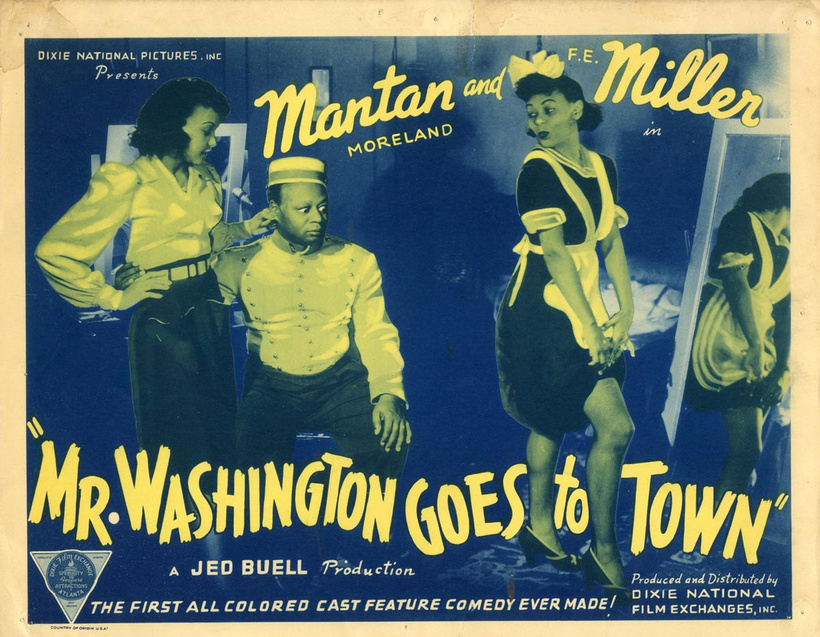
History has not been kind to actor Mantan Moreland, who is mostly remembered for the many roles he played that were steeped in negative tropes and racial stereotypes. But the truth is that Moreland, a former vaudeville performer that broke into the films in the 1930s, was one of the greatest comedic actors of all time. He was also incredibly popular, with both white audiences and Black. With more than 131 roles to his credit, Moreland was arguably one of the biggest Black stars of the 1940s, working as a leading man in race films such as Professor Creeps, Mr. Washington Goes to Town, and Mantan Messes Up. Moreland also regularly appeared in low-budget movies produced by Monogram Pictures. He was paired with white actor Frankie Darro in nine films, where he often received co-star billing (an uncommon status for Black actors in the 1940s). Moreland also appeared in fifteen of Monogram’s Charlie Chan movies, where he co-starred as Chan’s chauffeur, Birmingham Brown. One of his best roles was in the 1941 film King of the Zombies, which also featured Madame Sul-Te-Wan. No other Black actor worked as regularly in both race films and mainstream Hollywood movies as Mantan Moreland. He was a star in both the all-Black race films of the 1940s, as well as a key supporting actor in mainstream (though low-budget) Hollywood movies.
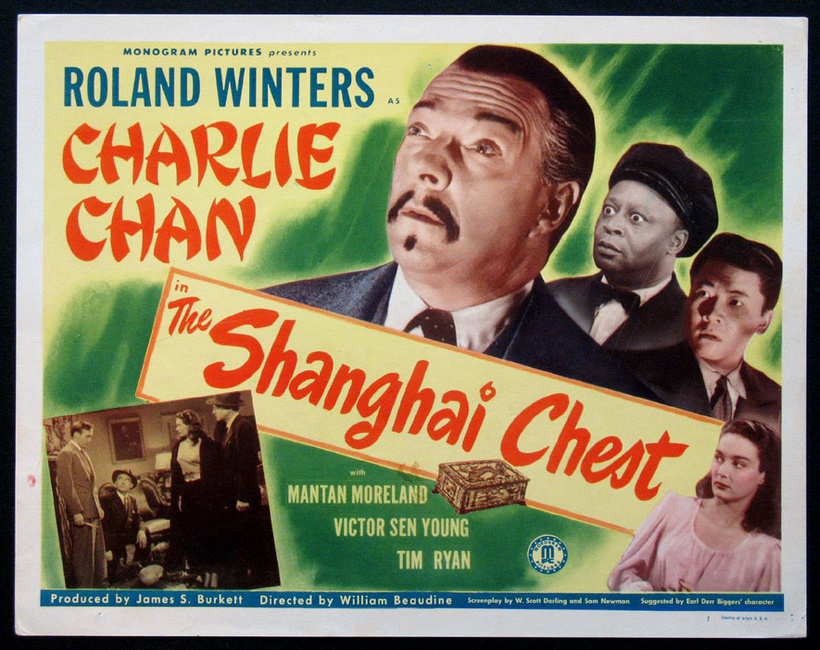
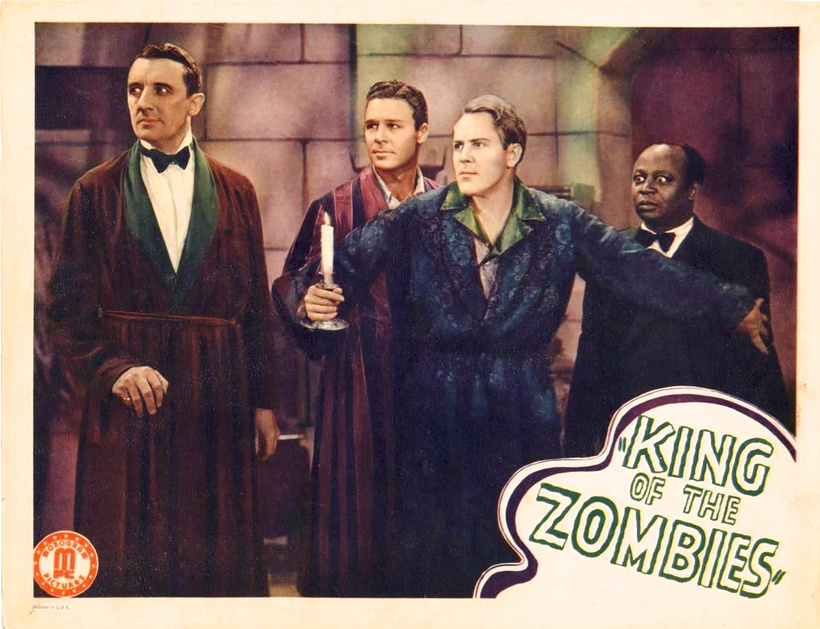
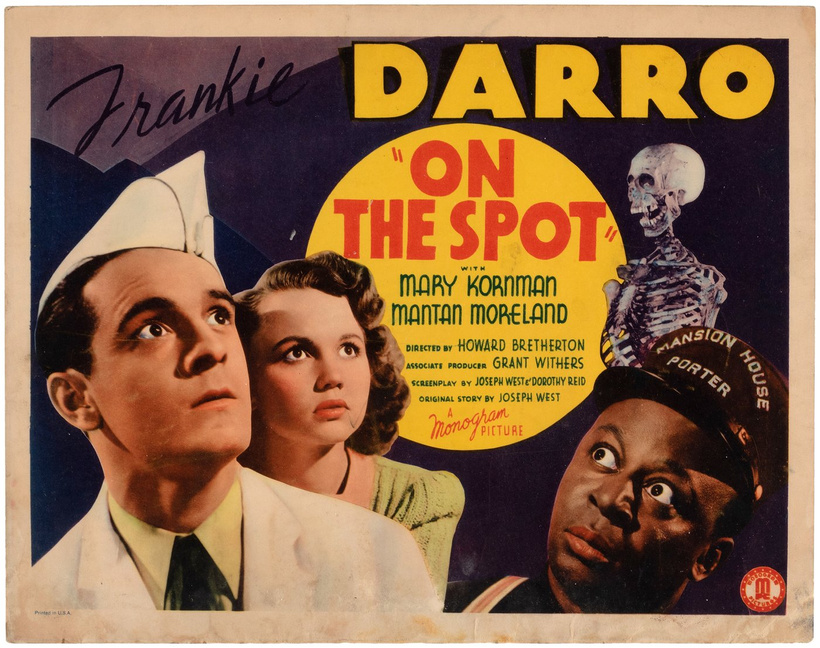
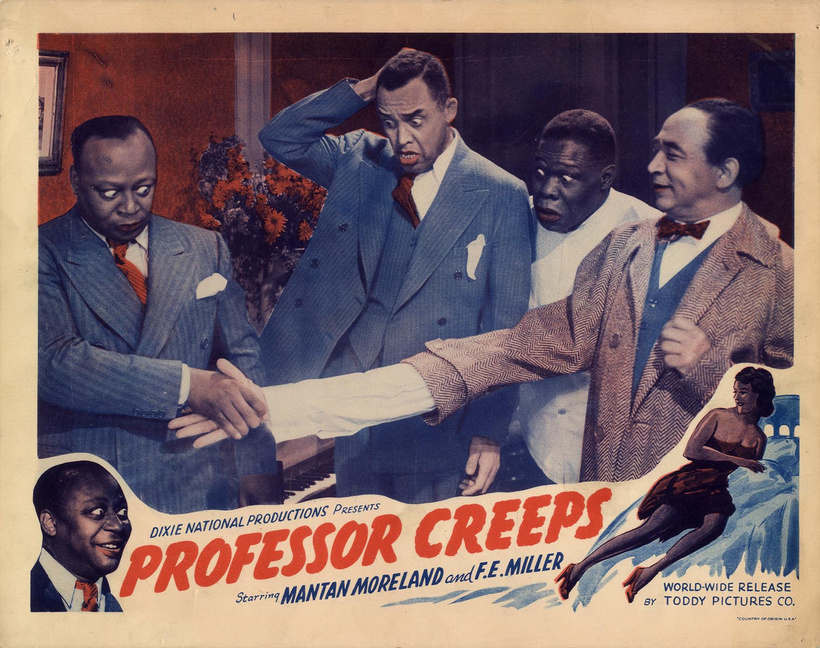
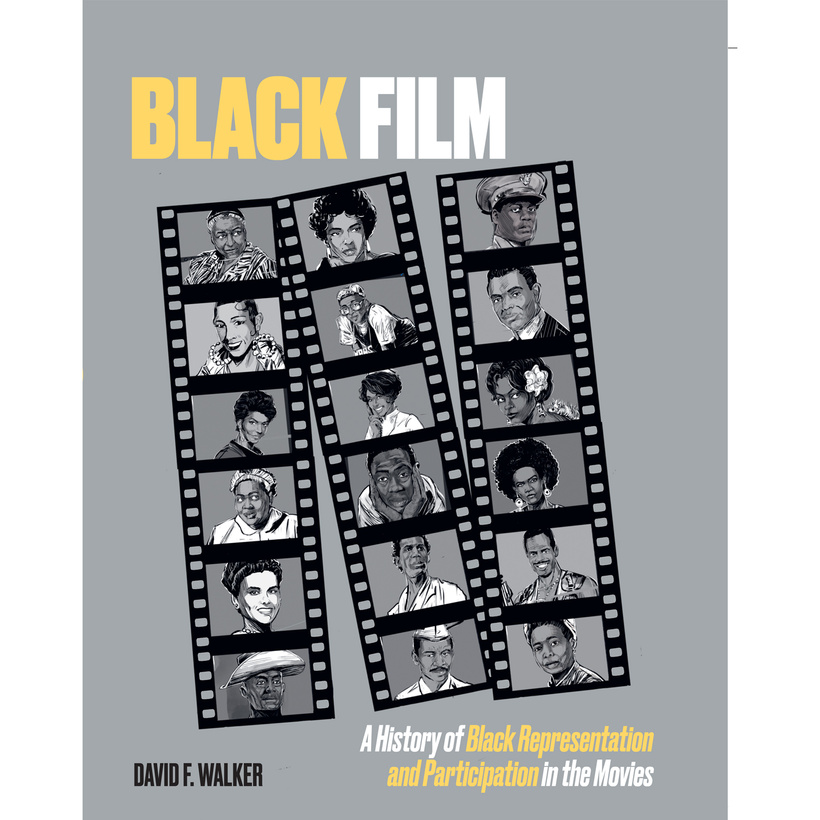
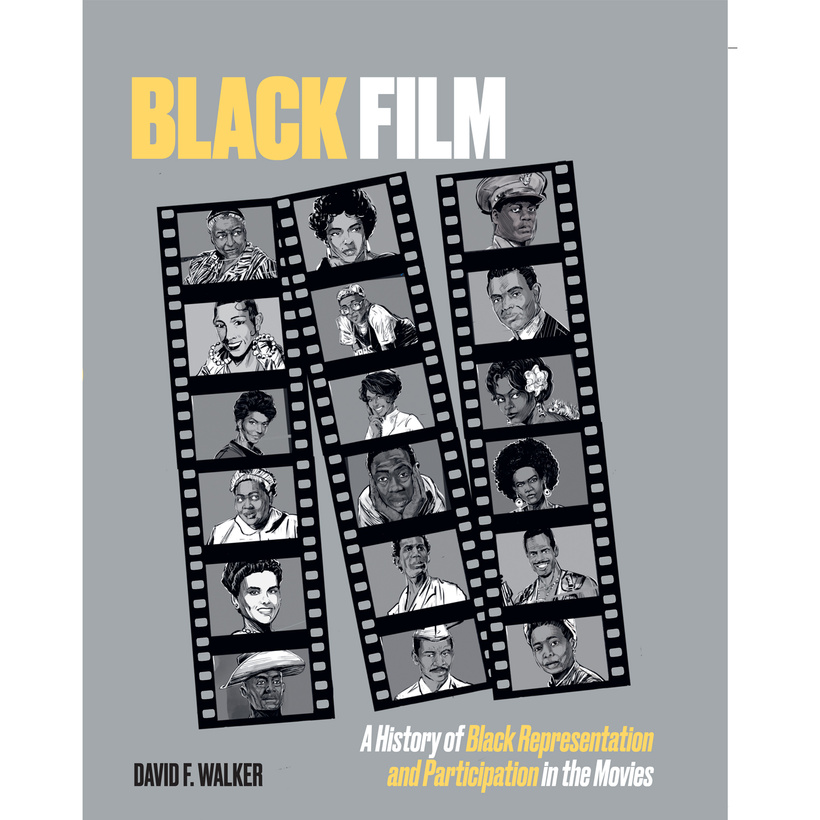
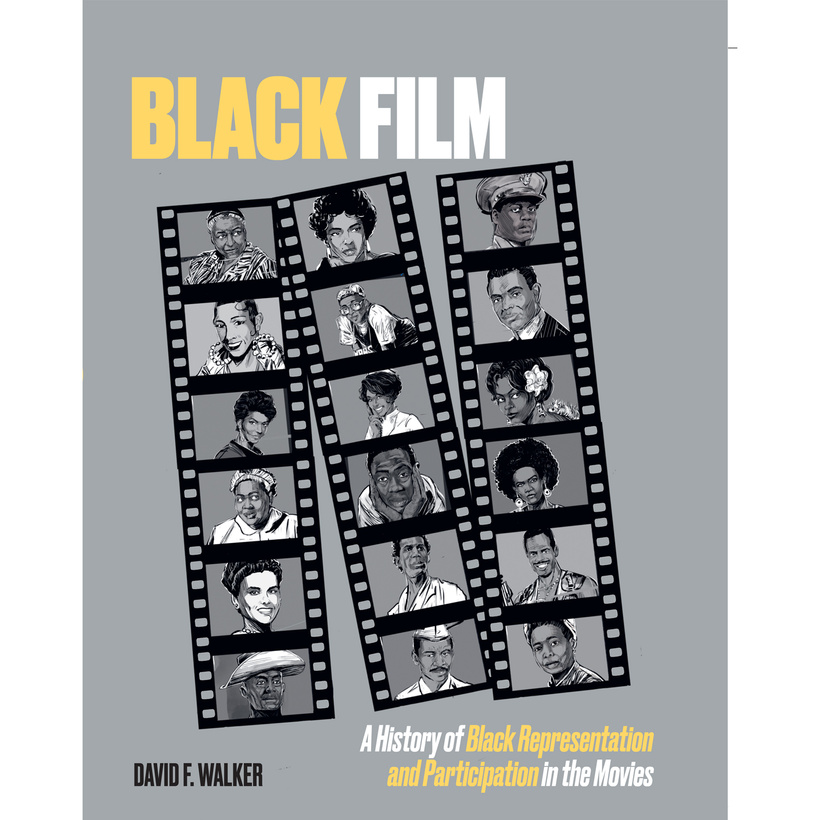
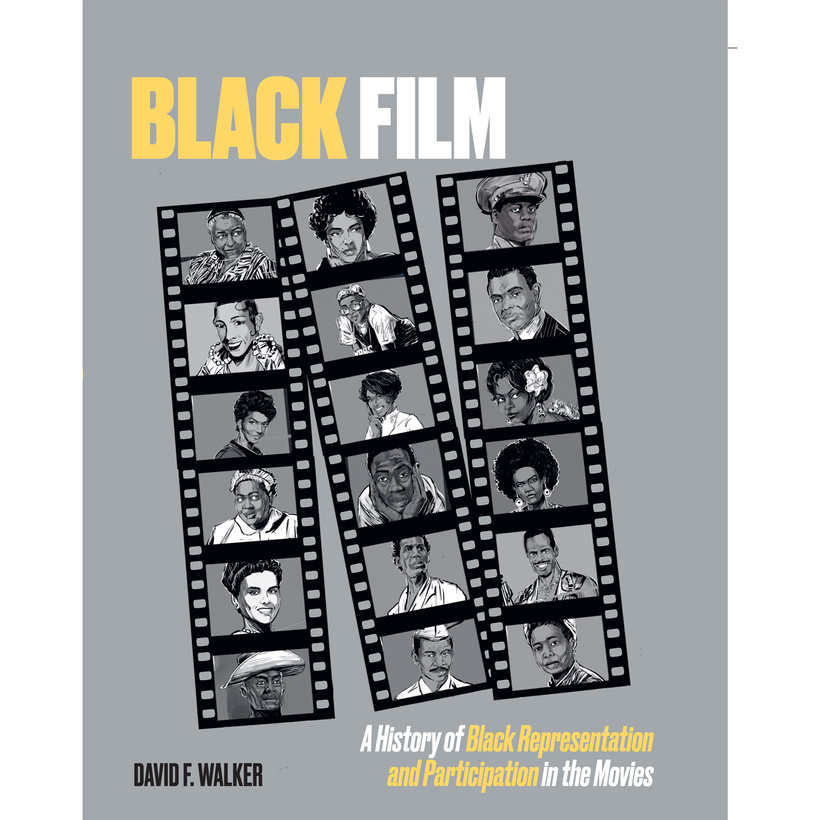
To learn more about actors like Mantan Moreland and companies like Monogram Pictures, check out my new book Black Film: A History of Black Representation and Participation in the Movies will be released by Ten Speed Press on March 24, 2026. You can pre-order the book here.
by David F Walker | May 9, 2026 | News & Updates
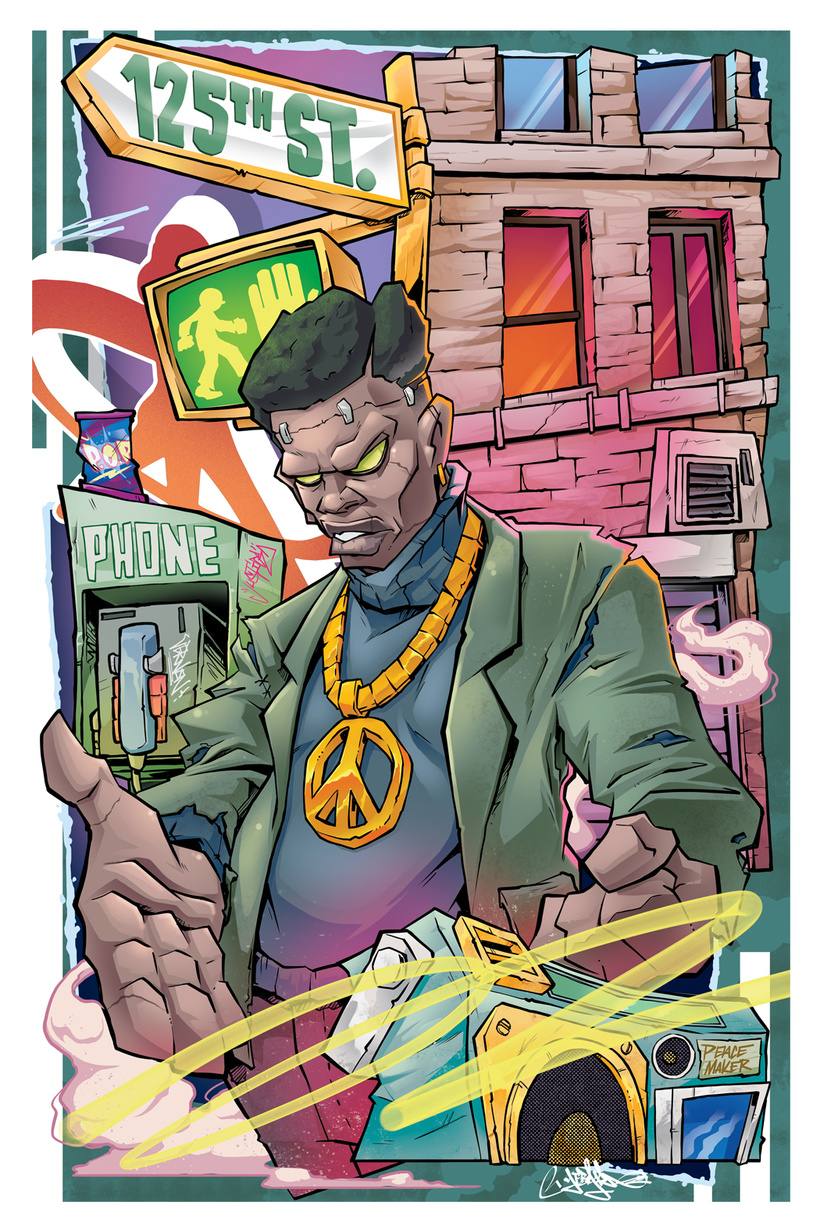
I’m excited to announce that the much-talked-about comic The Monster of Blackenstyne (not to be confused with Blackenstein) is done! This is a super special one-shot comic written (and lettered) by yours truly, with incredible art by Marcelo Di Chiara and colors by Pedro Estuco. Here is an unlettered page from the 24-page story…
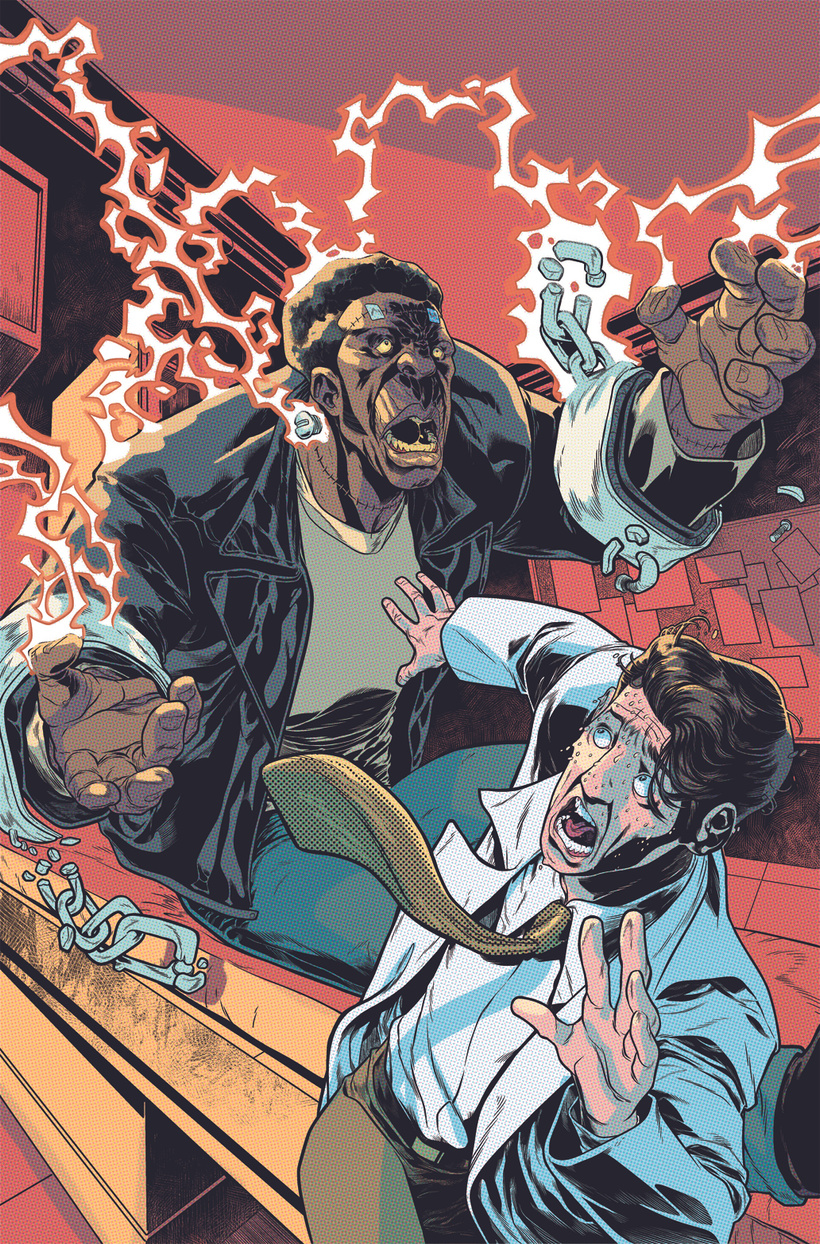
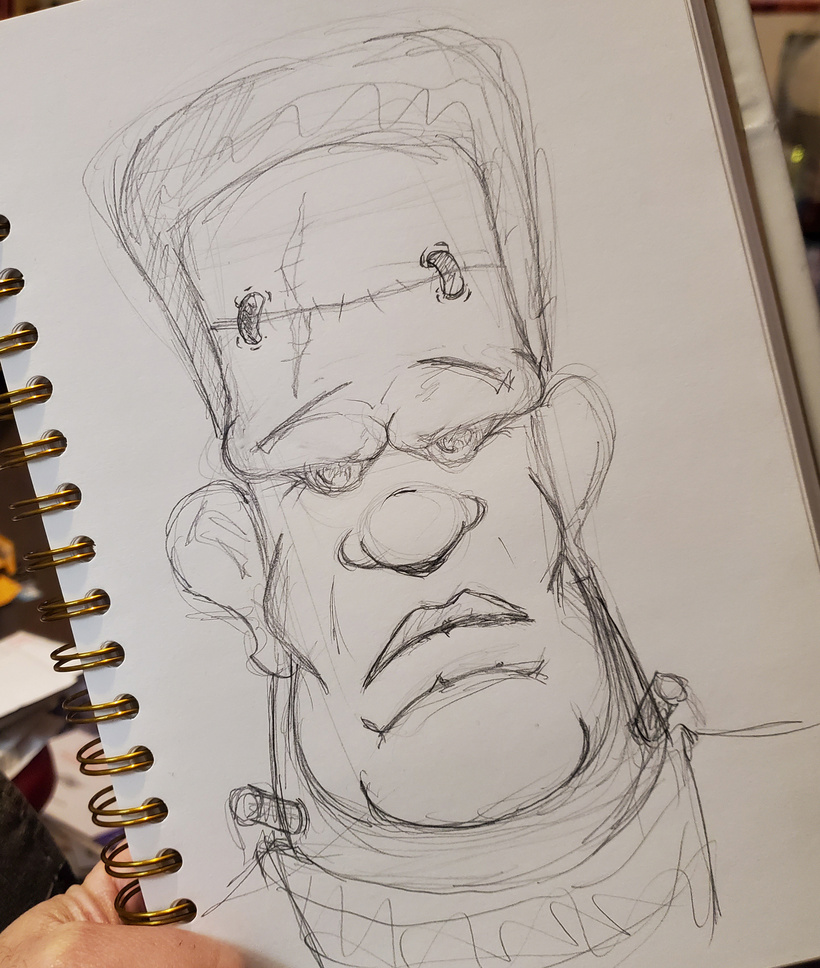
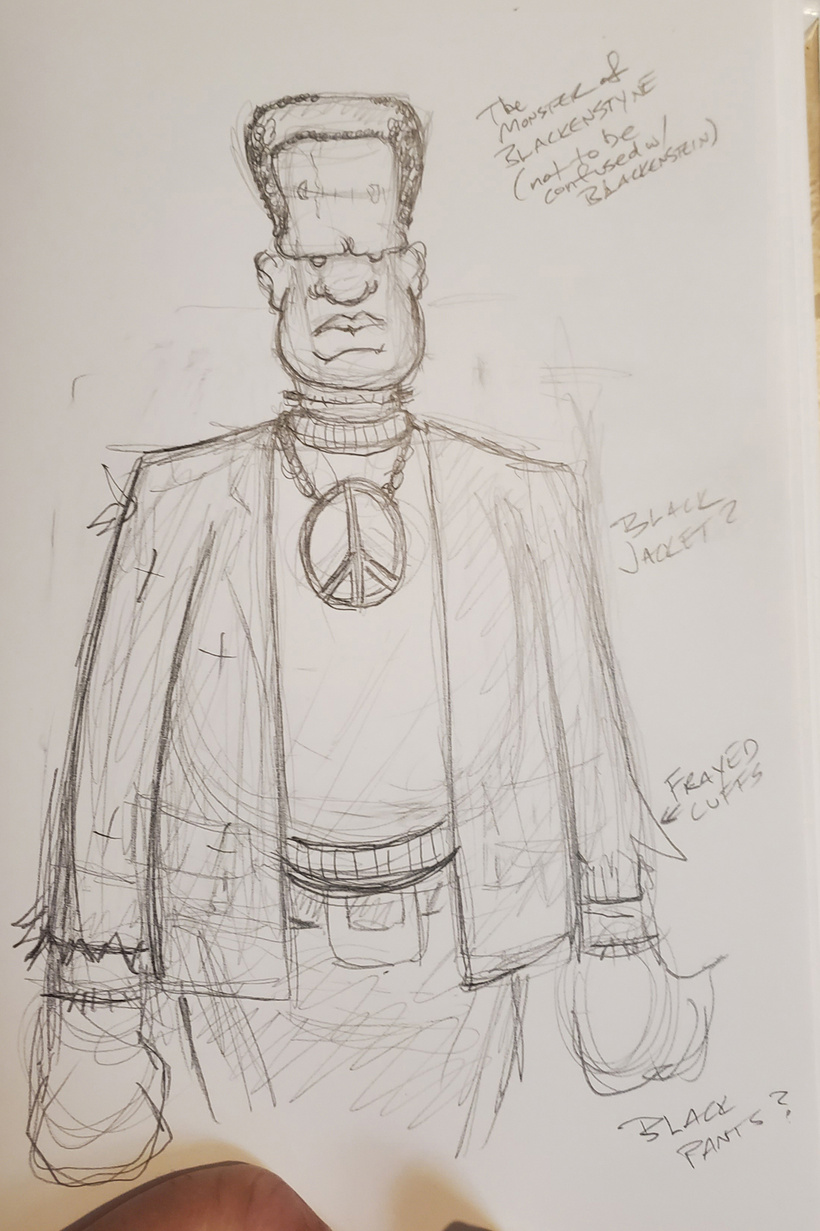
For those of you that know me, The Monster of Blackenstyne (not to be confused with Blackenstein) has been a special project that seems to have been in development for years. I came up with the idea a long time ago, sketched out several rough designs (below), and even penciled a piece that was inked an colored by Aaron Beatty (see the image at the top of this post. I wrote a short story that I used as a proof-of-concept before expanding the story into 24 pages. But there is much more of The Monster of Blackenstyne (not to be confused with Blackenstein) coming in the near future. Later this year, after the one-shot is released, there will be regular short stories on my Pateron.
There will be a crowdfunding campaign for The Monster of Blackenstyne (not to be confused with Blackenstein) one-shot starting next month. And on this coming Friday, February 13, 2026, I’ll be posting the cover of the comic.
by David F Walker | May 9, 2026 | News & Updates
Born in 1866, Mattie Edwards is quite possibly the first Black leading lady in mainstream film. Her career started in vaudeville in the late 1880s, and she began working in film as early as 1913. Edwards was part of a company of Black actors that worked for the Lubin Manufacturing Company, an early production company that made silent short films between 1896 and 1916. Lubin produced notoriously racist films starring white actors in blackface, but between 1913 and 1915 the company produced a series known as “Colored Comedies.” Keep in mind that these shorts were almost as racist as the movies Lubin produced with white actors in blackface. Edwards was Lubin’s leading Black actress, and she starred in at least twenty-four of the company’s shorts. Her co-star was often John “Junk” Edwards, though it is unclear if they were related in some capacity, or just shared the same last name. Mattie Edwards also appeared in movies produced by Essanay Studios (which produced early Charlie Chaplin movies) and the Ebony Film Company, as well as appearing in two Oscar Micheaux productions. Mattie Edwards died in 1944, and has been largely left out of film history.
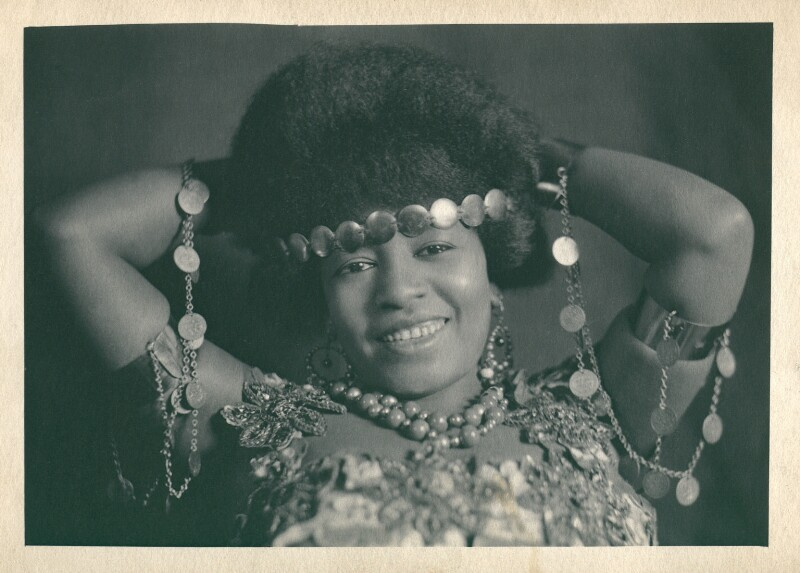
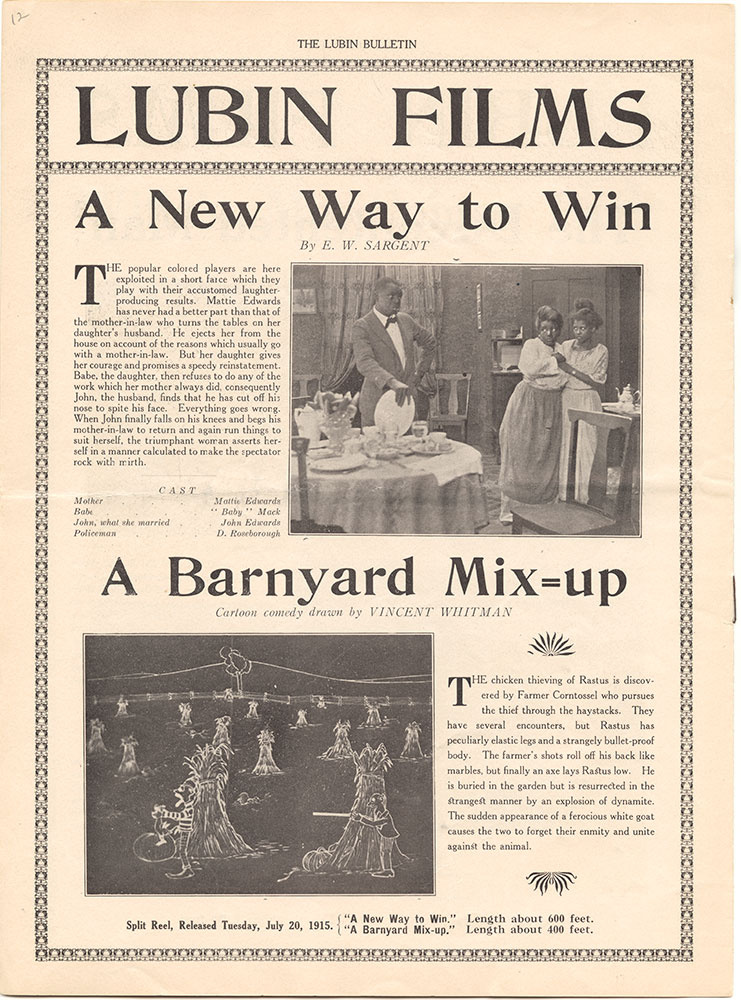
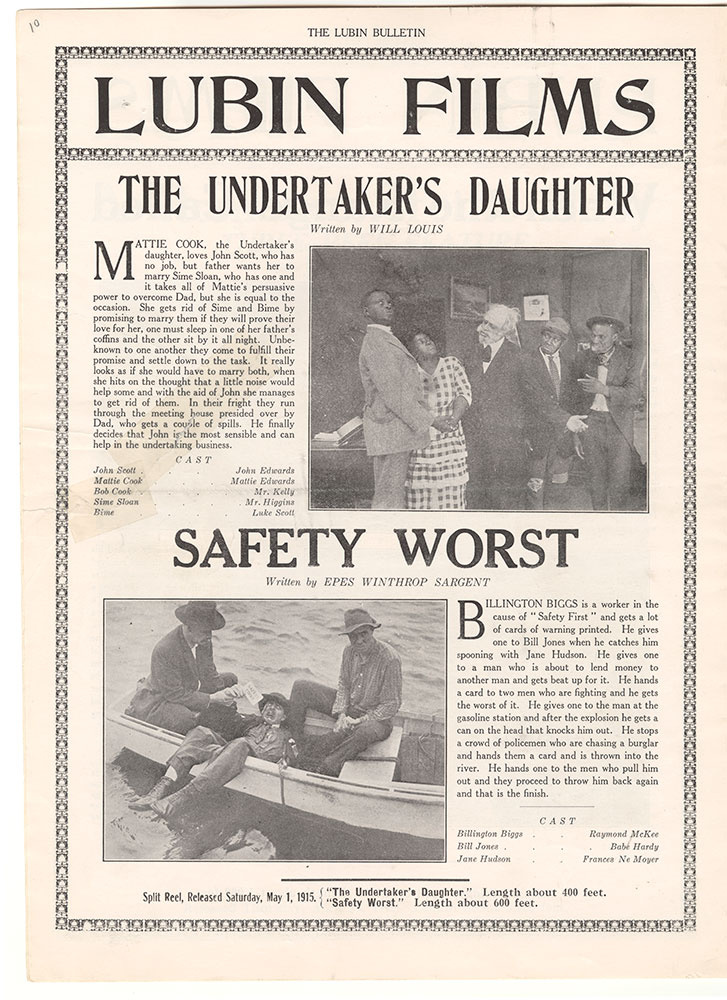
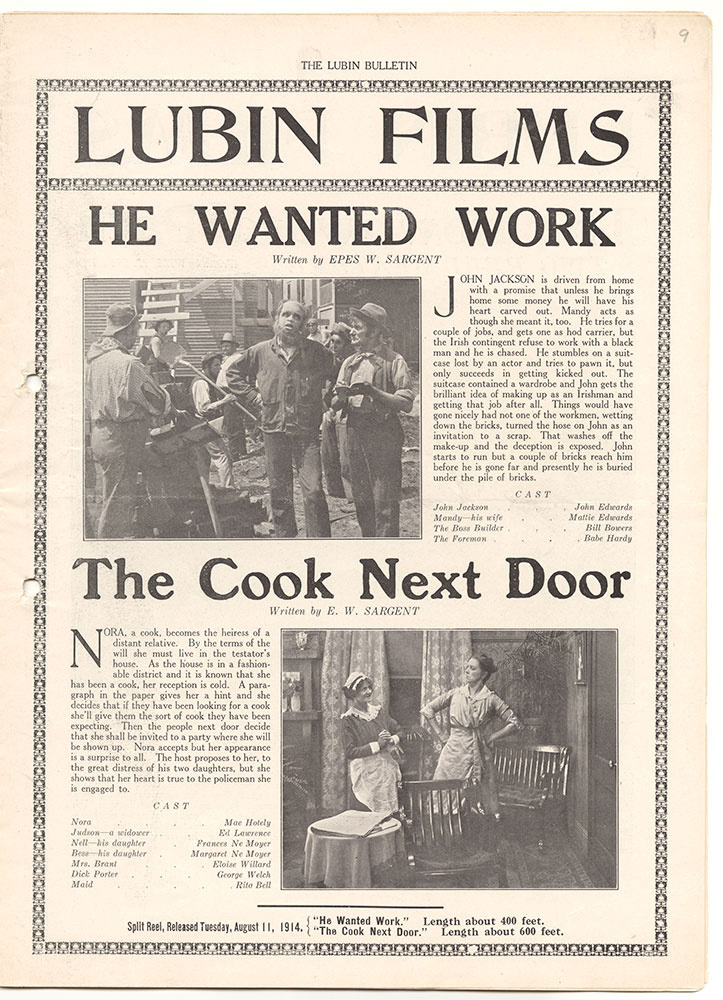
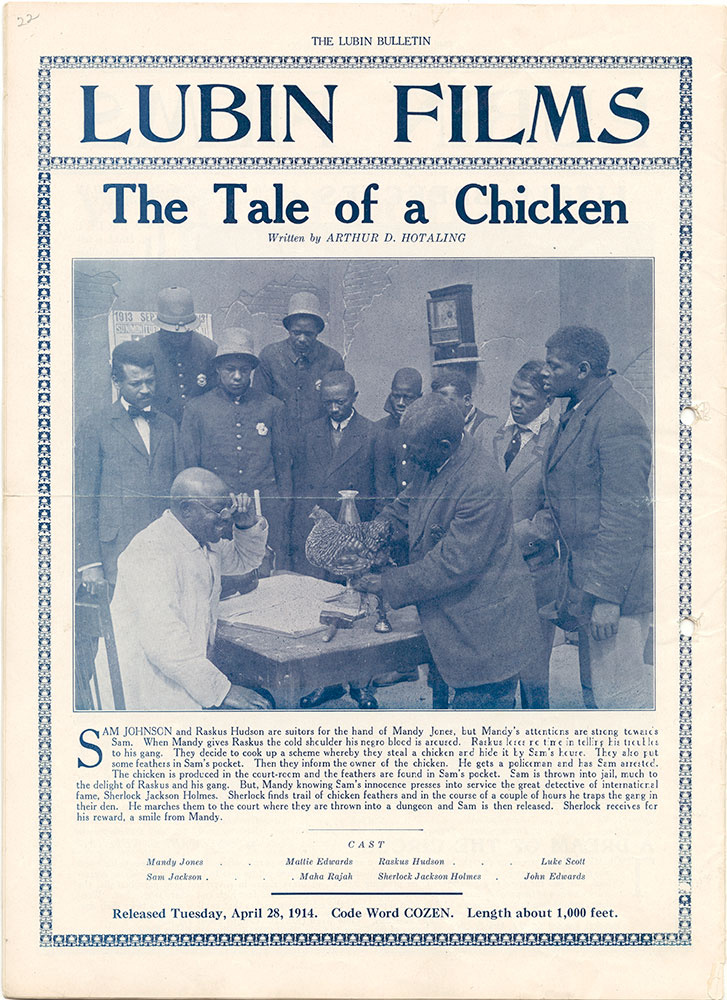
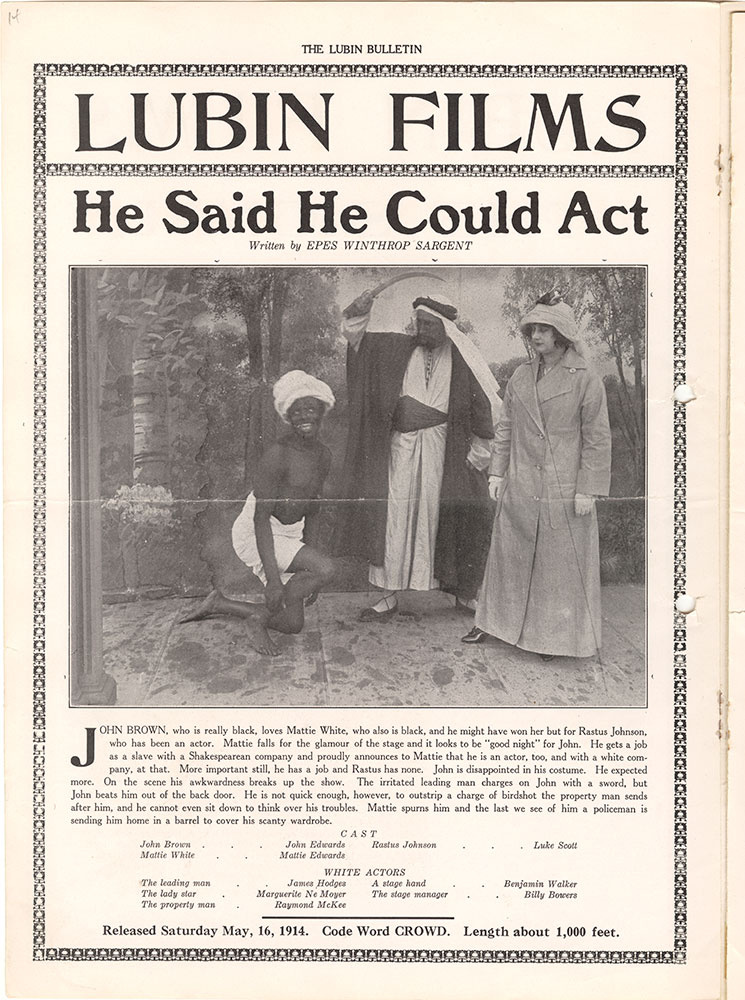
To learn more about actors like Mattie Edwards and companies like the Lubin Manufacturing Company, check out my new book Black Film: A History of Black Representation and Participation in the Movies will be released by Ten Speed Press on March 24, 2026. You can pre-order the book here.
by David F Walker | May 9, 2026 | News & Updates
Best known as the founder and host of “amateur night” at Harlem’s Apollo Theater, Ralph Cooper was a prominent player in the world of race films. Known as “Dark Gable” (after Clark Gable), as well as the “Bronze Bogart” (after Humphrey Bogart), Cooper starred in several films, including BARGAIN WITH BULLETS and GANGSTERS ON THE LOOSE, as well as DARK MANHATTAN and THE DUKE IS TOPS, both of which he also wrote and directed. Cooper was closely associated with the gangster movies he helped produce with brothers Harry and Leo Popkin’s Million Dollar Productions. The Popkins (who were white) and Million Dollar Productions made a series of low budget race movies, all shot in a week or less, including THE DUKE IS TOPS, the first major starring role for Lena Horne.
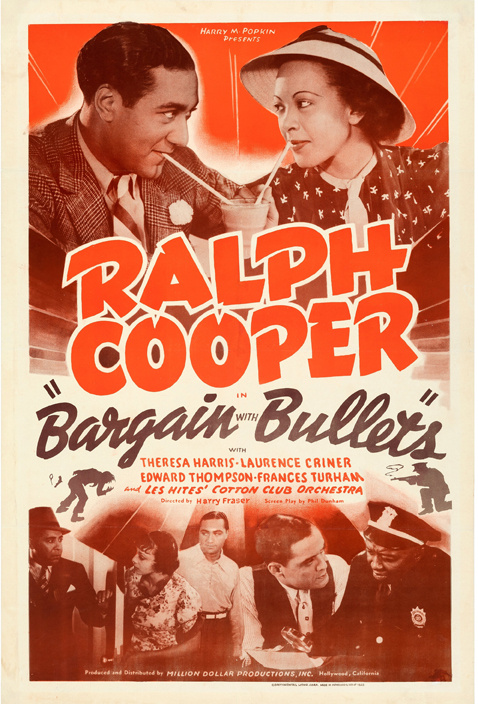
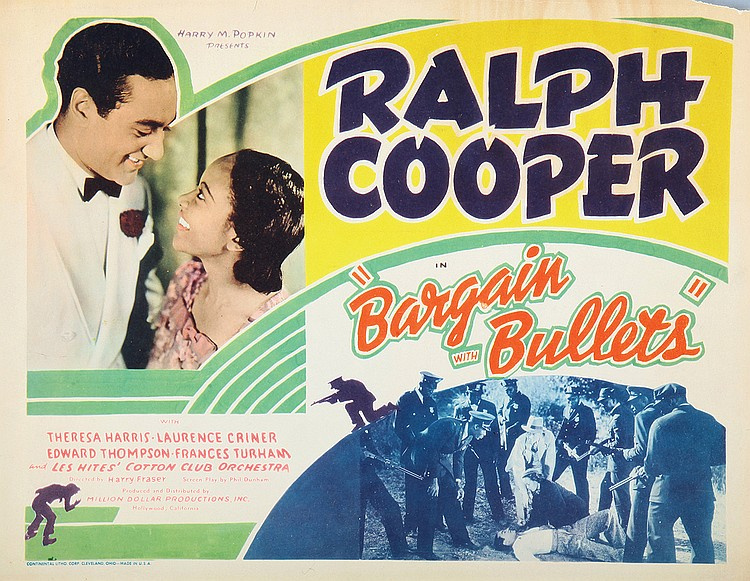
To learn more about filmmakers and actors like Ralph Cooper, check out my new book Black Film: A History of Black Representation and Participation in the Movies will be released by Ten Speed Press on March 24, 2026. You can pre-order the book here.
by David F Walker | May 9, 2026 | News & Updates
Often referred to as “the Black Garbo” or “the Colored Garbo,” Nina Mae McKinney was the first black leading women in mainstream Hollywood, with twenty-six appearances to her credit. Nina (pronounced Nine-ah) was born in South Carolina in 1913, and moved to New York while still in her teens, where she worked as a dancer on Broadway. It was while dancing the chorus line of the popular musical Blackbirds of 1928 that McKinney was “discovered” by legendary director King Vidor, who cast her in Hallelujah, his first talking motion picture, and one of mainstream Hollywood’s earliest race films.
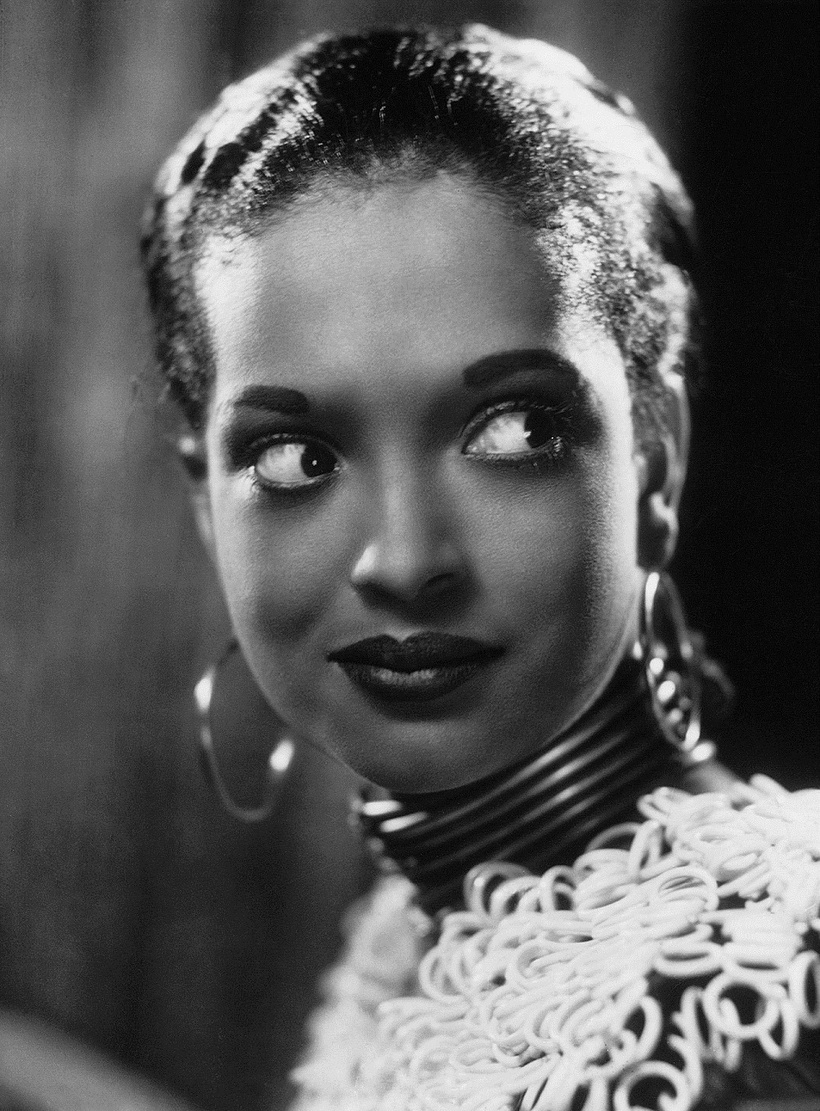
McKinney was one of the first black actresses signed to a studio contract, but MGM never really utilized her. She was considered to glamorous and attractive for the servant roles that would go to actresses like Butterfly McQueen or Hattie McDaniel, and there was no way she would be cast opposite a White actor in any kind of romantic context. As a result her career languished, and McKinney was loaned out to other studios, mostly for B-movies and low budget “black cast” pictures like Gang Smashers and The Devil’s Daughter. She also co-starred opposite Paul Robeson in Sanders of the River, where he played an African tribal chief wearing a leopard-skin loincloth, and she played his imperiled wife. McKinney spent much of her career looking for work in America and Europe, where she mostly performed in live cabarets. Her final film performance was an uncredited role in the 1950 film Copper Canyon. Nina Mae McKinney died of a heart attack in 1967 at the age of 54.
To learn more about performers like Nina Mae McKinney, check out my new book Black Film: A History of Black Representation and Participation in the Movies will be released by Ten Speed Press on March 24, 2026. You can pre-order the book here.
https://www.penguinrandomhouse.com/books/673613/black-film-by-david-f-walker/
by David F Walker | May 9, 2026 | News & Updates
Although he was not the first black filmmaker, Oscar Micheaux was the first black director to produce a feature-length film, and he was certainly the most prolific producer of race films for nearly thirty years. With no film experience at all, Micheaux produced a feature-length version of his self-published novel The Homesteader in 1919. Over the next three decades, Micheaux would make 41 more films, creating his own cottage industry of stars that included Paul Robeson (who made his film debut in Micheaux’s 1925 film Body and Soul), Lorenzo Tucker (often billed as “The Black Valentino”), Alec Lovejoy, Carman Newsome and Laura Bowman. Micheaux traveled cross-country with his films in the trunk of his car, showing the movies anywhere he could screen them.
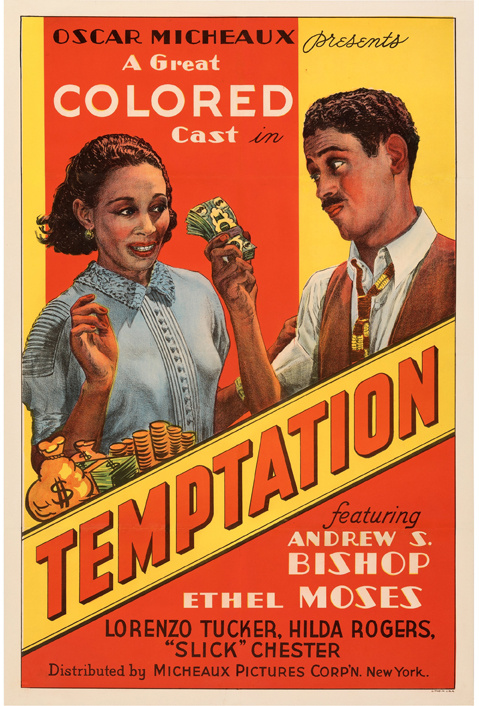
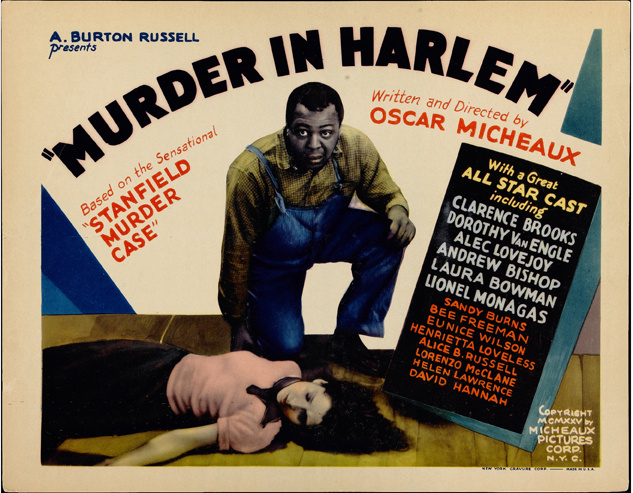
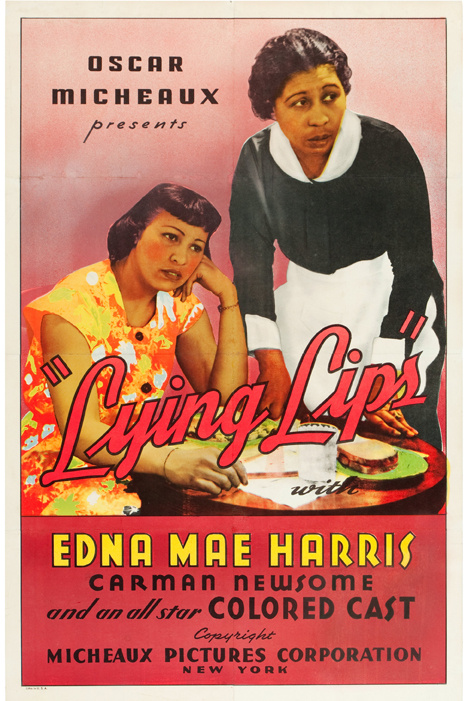
To learn more about filmmakers like Oscar Micheaux, check out my new book Black Film: A History of Black Representation and Participation in the Movies, which will be released by Ten Speed Press on March 24, 2026. You can pre-order the book here.
by David F Walker | May 9, 2026 | News & Updates
A Chocolate Cowboy (originally titled Mine Your Business!) is a silent short film released in 1927. The film starred white actor Fred Parker in blackface as a character named Rastus. There is nothing exceptional–or good for that matter–about A Chocolate Cowboy. The one interesting thing about the film is that the poster used to promote the film does not make it clear that the lead character is a blackface minstrel, which is uncommon for the time. It almost seems like the film’s distributor was intentionally trying to make it look like a race film with an all-Black cast. Blackface was very common during the silent film era, and producers made no attempts to hide the fact that a movie starred white actors in blackface. I’ll post more about blackface in film later.
To find out more about more about blackface in film, check out my new book, Black Film: A History of Black Representation and Participation in the Movies, coming from Ten Spreed Press on March 24, 2026. You can pre-order the book here.