by David F Walker | May 9, 2026 | News & Updates
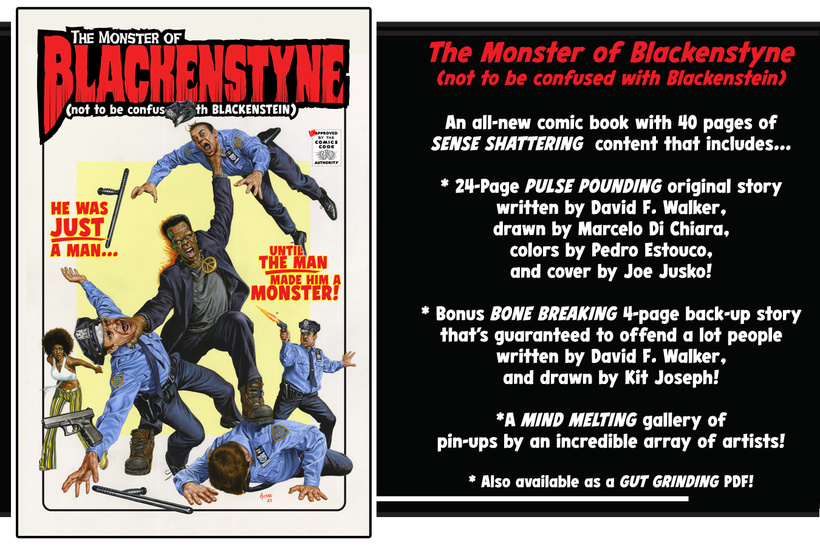
The Kickstarter campaign for The Monster of Blackenstyne (not to be confused with Blackenstein) goes live tomorrow! I’m excited! That’s why I’m using exclamation points to end all of my sentences! Head over to the Kickstarter page now, and sign up to be notified when we go live! https://www.kickstarter.com/projects/dfwalker/the-monster-of-blackenstyne !
by David F Walker | May 9, 2026 | News & Updates
Seriously, I can’t wait for everyone to see The Monster of Blackenstyne (not to be confused with Blackenstein)! This is a great comic! The Kickstarter campaign goes live next week, and I’ll be posting some sample pages so that everyone can see this masterpiece! That’s right!!! I called my own comic a masterpiece, and that’s because every artist involved has done an amazing job, from the promotional art to the cover to the interiors and colors, this is a visual masterpiece! The writing is just okay-ish! Head over to Kickstarter and sign up to be notified when the campaign launches! https://www.kickstarter.com/projects/dfwalker/the-monster-of-blackenstyne
by David F Walker | May 9, 2026 | News & Updates
The Kickstarter campaign for The Monster of Blackenstyne (not to be confused with Blackenstein) goes live in less than a week! Written by yours truly, drawn by Marcelo Di Chiara, colored by Pedro Estouco, and featuring a cover by Joe Jusko, this will be something truly special. But wait!!! There’s more!!! There will also be a Black & White & Silent Limited Edition, with a special cover by Alden Kaye and Chris Sotomayor. Head over to Kickstarter now, and sign up to be notified when the campaign goes live. Here’s the link…https://www.kickstarter.com/projects/dfwalker/the-monster-of-blackenstyne
by David F Walker | May 9, 2026 | News & Updates
The Kickstarter campaign for The Monster of Blackenstyne (not to be confused with Blackenstein) goes live next week. Sign up to be notified when the campaign launches. https://www.kickstarter.com/projects/dfwalker/the-monster-of-blackenstyne
by David F Walker | May 9, 2026 | News & Updates
The Kickstarter campaign for The Monster of Blackenstyne (not to be confused with Blackenstein) goes live next week. You can sign up to be notified by following this link right here…https://www.kickstarter.com/projects/dfwalker/the-monster-of-blackenstyne
by David F Walker | May 9, 2026 | News & Updates
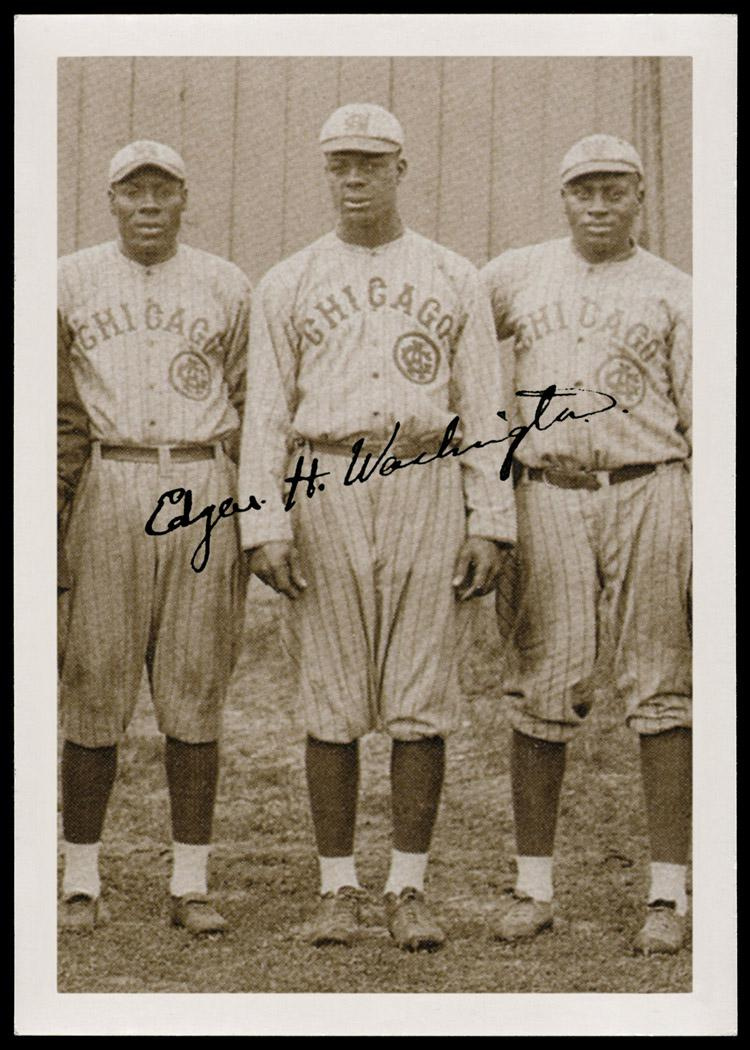
Born February 26, 1898, Edgar Hughes Washington played baseball in the Negro Leagues for both the Chicago American Giants and the Kansas City Monarchs. He left baseball for the movies, where he worked under the name Blue Washington in a career that spanned nearly five decades and included close to 90 roles. A lot of these were bit parts as various servants, slaves, and jungle savages in everything from King Kong to Gone with the Wind to Tarzan’s Revenge, but Washington also had significant roles in movies like 1920’s silent film Haunted Spooks starring Harold Lloyd, and 1935’s The Whole Town’s Talking, directed by John Ford and starring Edgar G. Robinson. One of his most notable roles was as a supporting character in the 1932 western Haunted Gold, appearing opposite John Wayne.
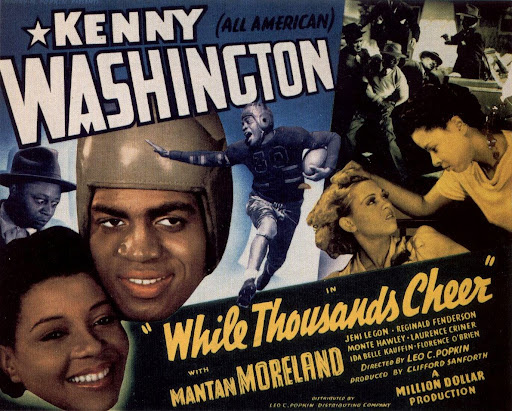
Blue Washington’s son, Kenny Washington, was the first African American player to sign a contract with the NFL and would star in the 1940 film While Thousands Cheer.
Blue Washington was also a family friend of legendary athlete and actor Woody Strode. In his autobiography, Strode described Washington by saying, “Blue was making seventy-five dollars a day when guys were making ten, fifteen dollars a week. He’d get four or five days in, have $300 in his pocket and nobody would see him again until the money was gone. The Washington family was constantly looking for Blue because some director was holding up a production until he could be found.”
by David F Walker | May 9, 2026 | News & Updates
Newspaper editor, teacher, writer, activist, and filmmaker, Maria P. Hill is the first African American women to produce and direct a feature film, 1923’s silent movie Flames of Wrath (the first African American women to direct a film is Tessie Souders, who directed 1922’s A Women’s Error). Flames of Wrath would be the only film made by Williams, who was best known for her work as a writer, journalist, and editor, most notably for the newspaper The Woman’s Voice, which she began publishing in 1896. Williams was murdered in 1932, and the case was never solved.
by David F Walker | May 9, 2026 | News & Updates
Born in Senegal in 1923, Ousamane Sembene grew up in a blue collar environment, working a variety of manual labor jobs. In 1947 he made his way to France, became involved in the labor union movement, joined the Communist Party, and was introduced to the works of writers like Claude McKay. Inspired by his experiences, Sembène wrote his first novel in 1956. Le Docker Noir (The Black Docker) was the first of nine books written by Sembène, who would go on to be regarded as on the greatest authors from Africa. His books often dealt with issues regarding colonialism, racism and the plight of the working man, but were seldom translated in other languages. Sembène understood that his books would have trouble reaching the immigrant, working class and disenfranchised audience of which he wrote, prompting him to explore film.
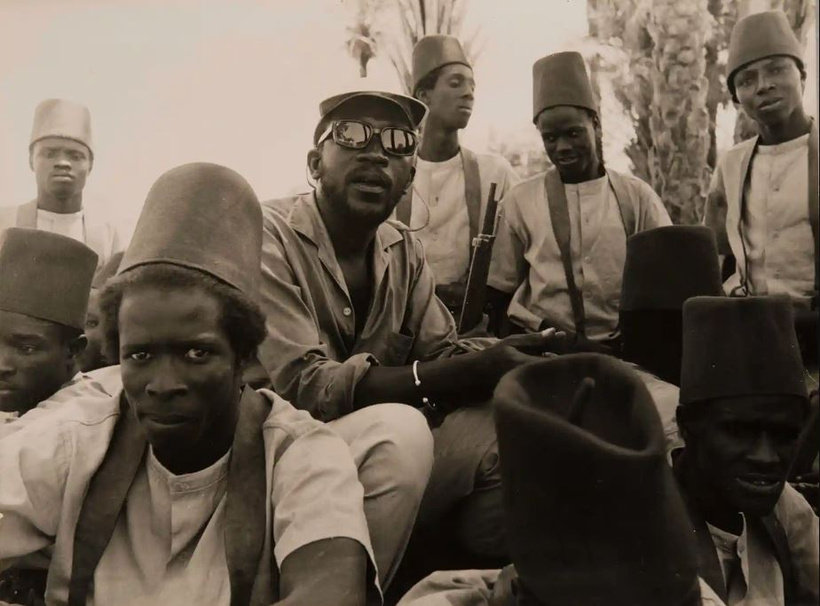

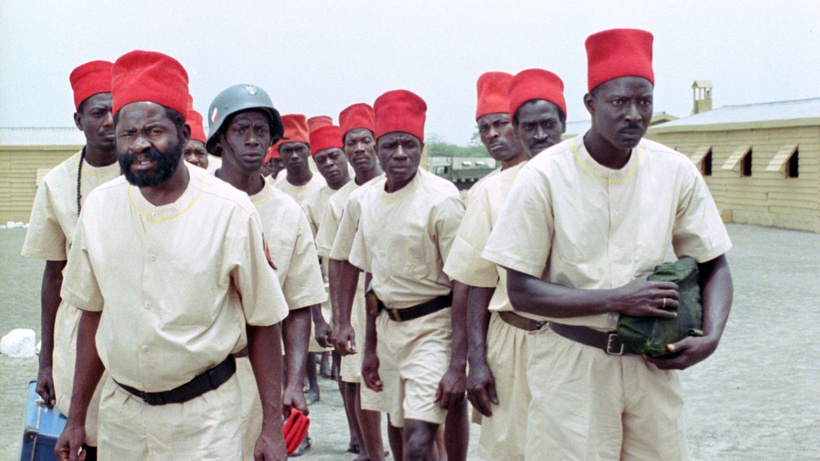
In 1963, at the age of 40, Sembène made his first film, the short Barrom Sarret. He would make twelve more films over the course of the next forty years, with his first feature being the critically acclaimed Black Girl, and over the decades Sembène would go on to become considered the “Father of African Cinema.” His 1987 anti-war film Camp de Thiaroye is also a brilliant look at colonialism, and remains one of the most powerful films of all time. Ousamane Sembène passed away in 2007 at the age of 84, but not before leaving behind a rich legacy of literature and film.
by David F Walker | May 9, 2026 | News & Updates
An antislavery novel written by Harriet Beecher Stowe, UNCLE TOM’S CABIN; OR, LIFE AMONG THE LOWLY, was first published in 1852. It was a bestseller, as well as one of the most popular works of 19th century American literature, and it help foster a growing antislavery sentiment in the years leading up the American Civil War. By the 1860s, numerous live stage adaptations began to appear, none of which were approved by Stowe. Live performances of UNCLE TOM’S CABIN were among the most popular theatrical productions in America throughout the second half of the 1800s, and with the advent of motion pictures, it was only a matter of time before version of UNCLE TOM’S CABIN showed up on film. Between 1903 and 1927 there were nine film versions of Stowe’s book, six of which starred white actors in blackface as Uncle Tom. In reality, none of these films were inspired by the original book, but were instead derived for the numerous stage productions, all of which had done away with Stowe’s abolitionist message, and all re-imagined Uncle Tom as the docile slave committed to pleasing his owner, which was a drastically different from the character in the book.
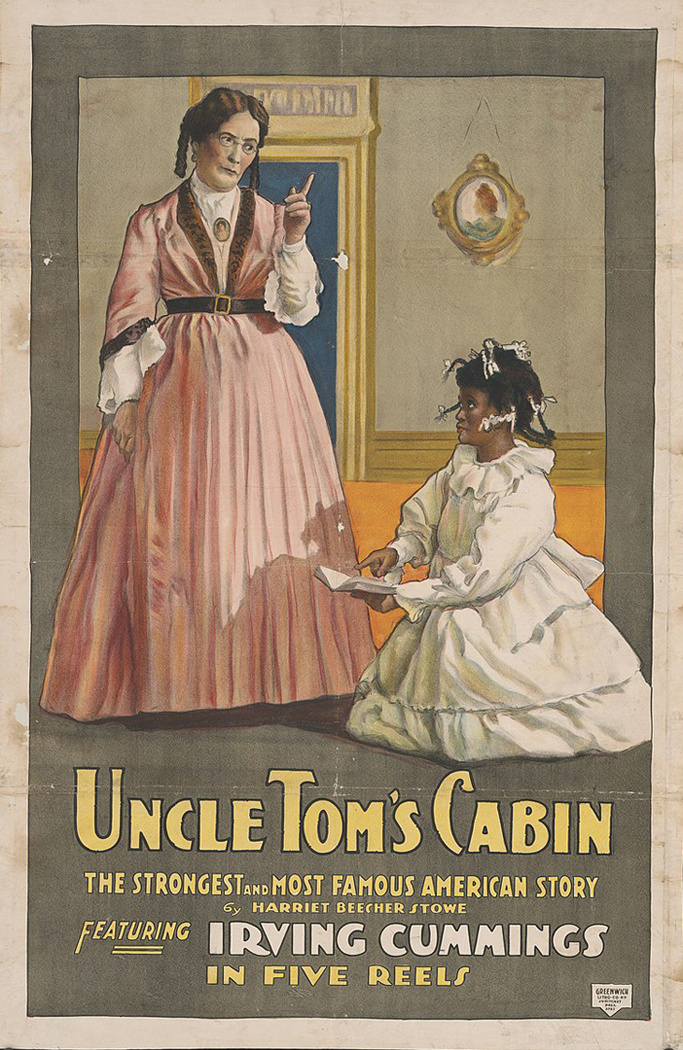
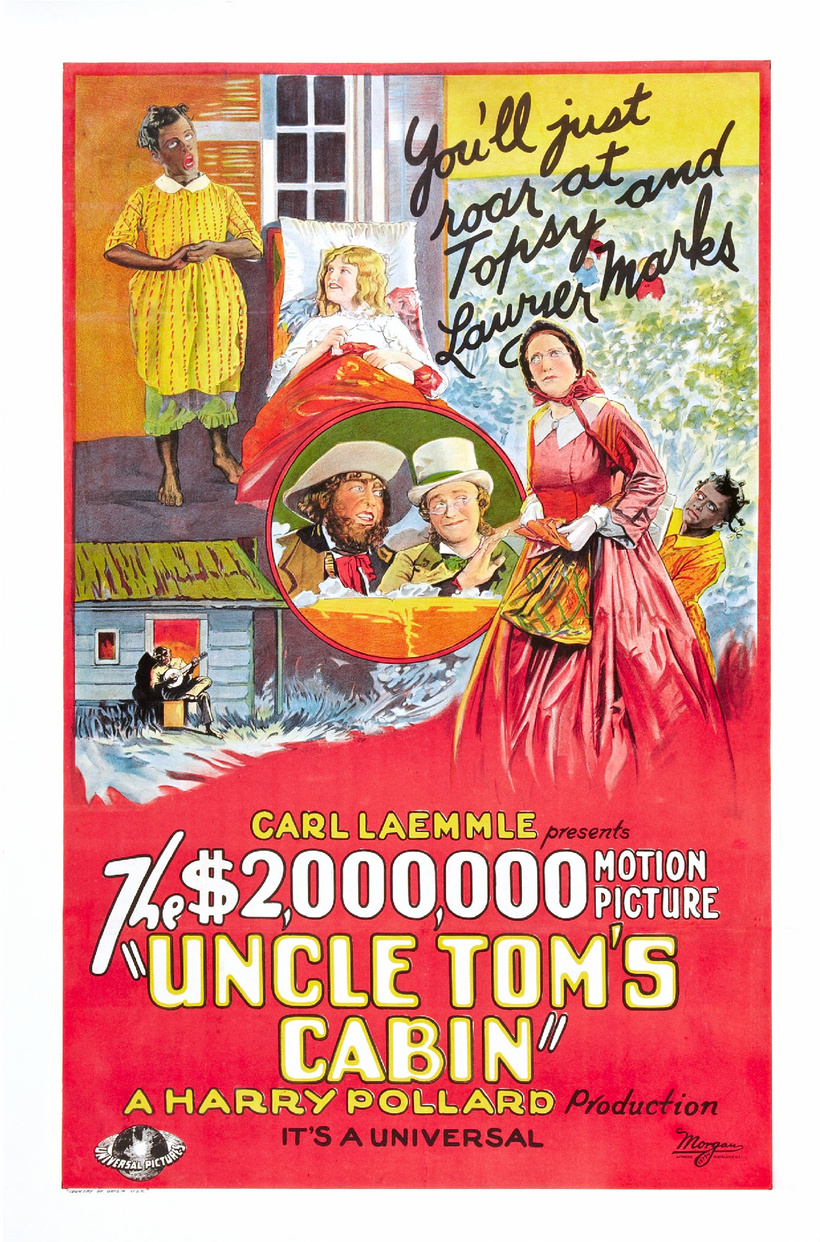
To learn more about movie adaptations of UNCLE TOM’S CABIN, check out my new book Black Film: A History of Black Representation and Participation in the Movies will be released by Ten Speed Press on March 24, 2026. You can pre-order the book here.
by David F Walker | May 9, 2026 | News & Updates
I just wanted to share with all of you this advertisement for Jaguar Jackson’s B.A.M.F. Combat Academy. This is an ad that will appear in the upcoming one-shot comic The Monster of Blackenstyne (not to be confused with Blackenstein). That’s right…this comic will be more than just a comic, it will be an immersive experience that will forever change your life!