by David F Walker | Jul 10, 2026 | News & Updates
It started as one random doodle during a night of insomnia, but before I finally was able to get to sleep I had started working on four different drawings. Over the course of the next few nights I worked on each of the drawings, adding lines and shapes to each until they felt complete. This is the third drawing that I started on the first night. Tell me if you see something other than a series of random shapes and patterns.
by David F Walker | Jul 10, 2026 | News & Updates
Another night of not being able to fall asleep… actually, it was multiple nights of not being able to fall asleep in which this particular insomnia doodle came into being. I wanted to try something very different than what I normally do when I do one of these Sugar Skulls. And while this one is clearly different from all of the others, I’m not really sure how I feel about it. Still, I figured I’d share it with everyone. I mean…what’s the point of making some kind of art while sleep deprived if you aren’t going to show it off to everyone?
by David F Walker | Jul 9, 2026 | News & Updates
Sometimes when I can’t sleep, I will do an Insomnia Doodle. A lot of the time I will simple draw shapes and patterns over my existing Sugar Skull pattern, give it some color, and call it a night (although I often spend several restless nights working on one single piece). But something interesting happened to me about a week ago — what started as a standard Sugar Skull piece evolved into it’s own thing. Usually, I work on one doodle at a time, but for whatever reason, I started working on multiple pieces, and over the course two or three nights, I created four different pieces. I’m calling these the Free Form Flow series, and this is the second one (I shared the first yesterday). Honestly, I have no idea what this is…but I do know what I see. What do you see?
by David F Walker | Jul 8, 2026 | News & Updates
I know this will come as a big surprise, but I had trouble sleeping. I started work on a new Insomnia Doodle, and what began as random lines and shapes quickly turned into something unexpected. While this is how I typically create the designs and patterns for my Sugar Skulls, this process was different. The random shapes and lines quickly became some kind of mythical creature that you see here. I have no idea what this creature is, or its origins, but I’m confident something will come to me eventually. This inspired me to create three more drawings (which I will share in separate posts).
by David F Walker | Jul 8, 2026 | News & Updates
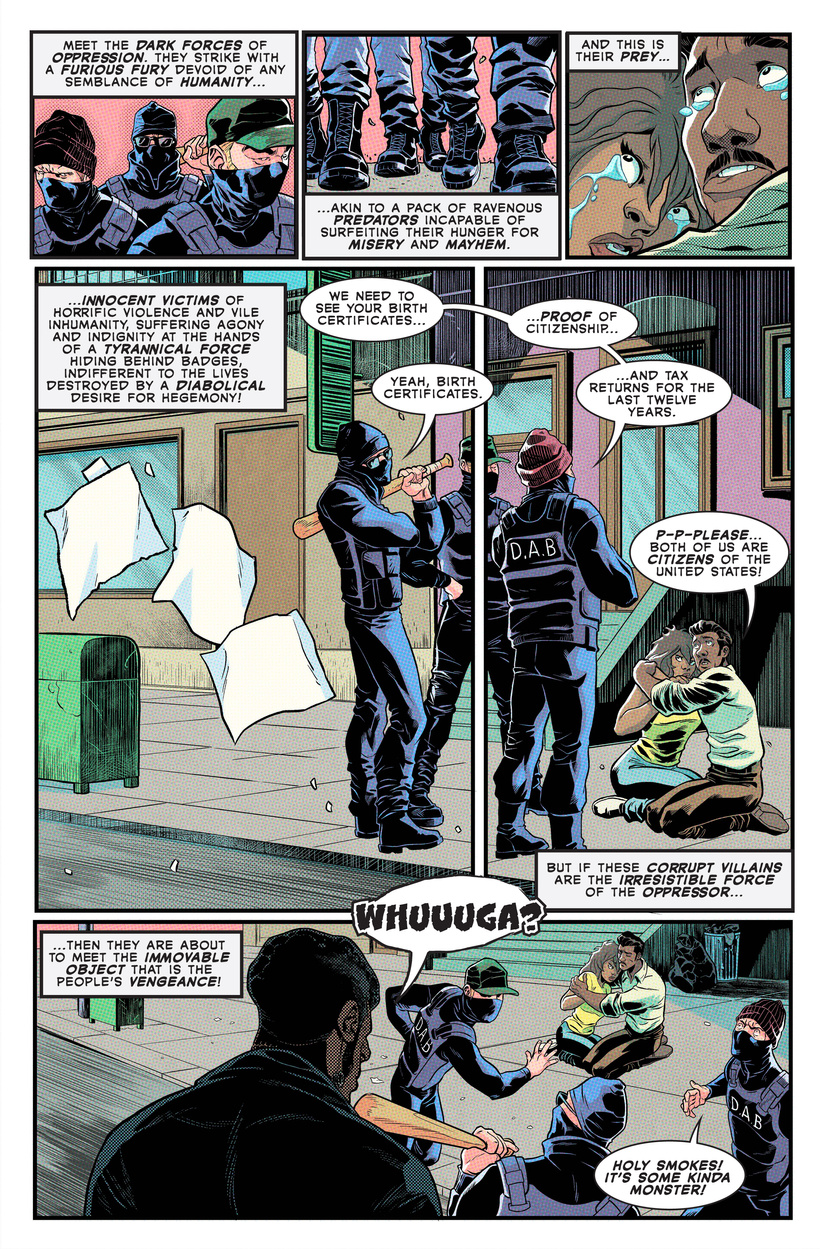
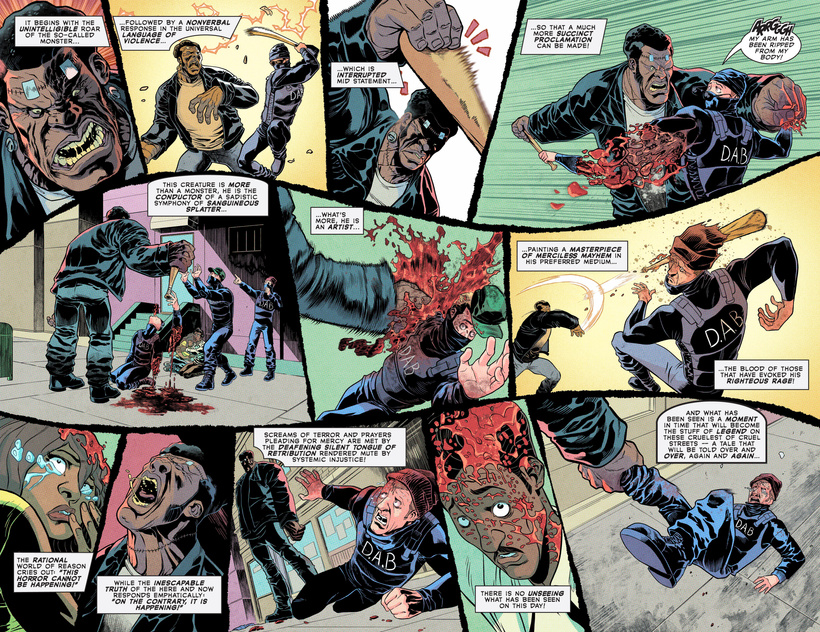
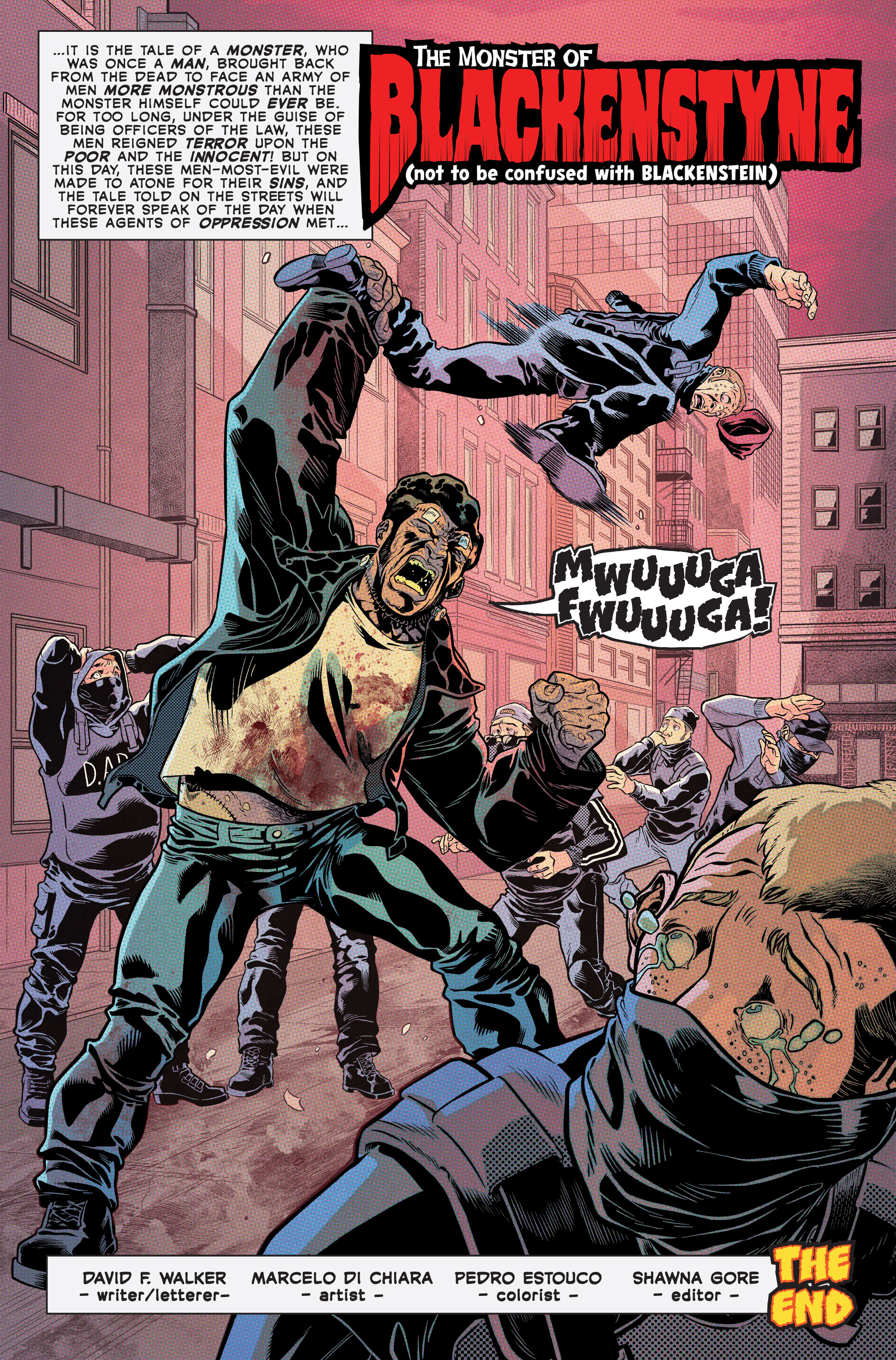
For those of you wondering what The Monster of Blackenstyne (not to be confused with Blackenstein) is all about — of even if it is real — here’s a short story featuring the Monster. Written and lettered by yours truly, art by Marcelo Di Chiara, colors by Pedro Estouco, and edited by Shawn Gored (the same team that brought you the new one-shot comic). This story is FREE for all, so please share it with people you think might like it (or might be offended).
You can pre-order physical copies of The Monster of Blackenstyne (not to be confused with Blackenstein) here https://solidcomix.gumroad.com/.